(Why Resting More and Working Less is How We Achieve Greater Success)

Most of us have been conditioned to demonstrate our worth by working as hard as possible, and in this way we also learn to ignore our own physical, emotional and spiritual needs. The obvious example of this is how we so often choose to work right through lunch. Whether it’s answering emails with one hand while grabbing a sandwich or scrolling through work notifications on a phone during a quick five-minute break, modern Western culture demands constant output. We treat pausing and resting as a weakness and a personality flaw.
But this relentless drive is disastrous for our digestion, and because the gut is the foundation of our vitality, it affects absolutely everything. When we don't truly halt to eat or breathe, our bodies stay locked in a sympathetic ("fight or flight") state. Blood is diverted away from our digestive tract and into our limbs to fuel the perceived hustle. The result is bloating, sluggishness, and a systemic depletion of our energy.
Other cultures have always known better. In Spain, the traditional siesta isn't an indulgence for the lazy; it is a structured, culturally protected pause built directly into the rhythm of the day. For centuries, life naturally slowed down in the afternoon to accommodate a long lunch and a rest, prioritising human biology, digestion, and sustainable pacing over non-stop commerce.
Years ago, in my late 30s, when I was trying to get pregnant and sought support from my favourite acupuncturist, the very first piece of advice they gave me mirrored this ancient wisdom. It wasn't a complex herbal formula or a special diet. It was time to take a nap. Just 20 minutes a day, ideally between the hours of 11 a.m. and 1 p.m.
At first, it felt completely counterintuitive. That midday window is when our Yang energy—the hot, active, fiery, doing energy of the day—is at its absolute peak. It’s the time we naturally feel like pushing hard or cracking on with heavy, analytical work.
But my acupuncturist explained that this exact window also marks the birth of the Yin cycle. Yin represents the cool, dark, receptive, nourishing, and deeply restorative aspect of our biology. By actively choosing to lie down and rest for just 20 minutes during the height of Yang, we anchor and feed our Yin. Ironically, building that cool reservoir of Yin during the day is exactly what allows us to drop into a deep, restorative sleep at night.
If you are still carrying the modern guilt that resting equals laziness, it’s time to look at the science and history that back up this ancient medicine. In his book Rest, Alex Soojung-Kim Pang notes that history’s most creative and prolific minds only worked intensely for four or five hours a day. The secret to their massive output wasn’t endless hustle; it was deliberate, structured rest.
Take Charles Darwin, who revolutionised science while working in just three focused, 90-minute chunks a day, always leaving his afternoons completely open for long walks and a restorative nap on the sofa. Charles Dickens adhered to a similarly strict regime, writing furiously from 9 a.m. until 2 p.m. before shutting his desk for the day to let his subconscious process the plots. Even the brilliant mathematician Henri Poincaré limited his intense mental labour to two short blocks a day, famously discovering mathematical breakthroughs not while staring at a chalkboard, but while taking time away from his workspace and letting his subconscious work it out without any effort.
These figures didn't nap because they lacked drive; they napped because they understood that creativity is a cyclical process. They knew that working less, resting and letting the subconscious do what it does best is exactly how the mind solves its most complex problems.
Before we look at why you need this, let’s define what a nap actually is. I don't mean a deep, multi-hour sleep, and I don’t mean a focused, rigid meditation where you are trying to clear your mind. A nap is simply a conscious letting go. It is a physical release—ideally on a comfortable couch or bed, though I’ve had clients tell me they’ve had to sneak 20 minutes out in varied spaces, even a disabled toilet at work! You don't even need to actually fall asleep. It is about giving your brain the freedom to do whatever it needs to do. Neuroscientists have found that when we switch off, our brains don't stop working; they are actually just as busy as when we are awake. You aren't stopping your thoughts. You are simply giving your brain a much-needed break from enforced thinking, letting the clutter clear so you can get back into flow again.
10 reasons why you need to take a nap
Here are 10 reasons to put your head down today, drop the guilt, and step into the nap space.
1. It Transitions You into Parasympathetic Harmony
When we power through the afternoon slump, we force our bodies to manufacture fake Yang energy using adrenaline and cortisol. This leaves us brittle and wired. Lying down for a brief nap flips your nervous system directly into the parasympathetic "rest and digest" state, giving your digestive tract the blood flow it actually needs to process your food and settle your gut.
2. It Nourishes Your Heart Meridian and Calms the Shen
In Traditional Chinese Medicine (TCM), the midday window (11 a.m. to 1 p.m.) is known as the Wu hour, governed by the Heart Meridian. The Heart houses our Shen—our mind, spirit, and emotional clarity. When Yang is blazing, the Shen can easily become scattered, anxious, or hyperactive. A brief pause at midday cools the fire, grounds the Shen, and brings an instant, steady sense of zen to a racing mind.
3. It Unlocks the Fluid "Theta" Brainwave State
As you drift into a nap, your brainwaves slow down from the fast, analytical Beta waves of everyday problem-solving into Theta waves (4–8 Hz). Theta is the twilight zone of consciousness. It is a deeply receptive, Yin state where the rigid ego steps aside, allowing your intuition and deep internal wisdom to bubble to the surface.
4. The Portal for Visionary Downloads
In that mid-nap Theta space, the veil between your conscious and subconscious mind grows thin. Because you aren’t bogged down by daytime logic, it is incredibly common during an intentional nap to experience vivid dreams, flashes of creative insight, or profound spiritual connections. You are essentially allowing your spirit to gather ideas and solutions you'd never find while staring at a screen.
5. It Balances Hormones, Enhances Fertility and Sparks High-Level Creativity
From a biological standpoint, stress is the ultimate blocker for both creation and procreation. When your brain is swimming in cortisol, your body receives a signal that it is under threat, causing it to down-regulate reproductive hormones and stall the creative, abstract thinking centres of the brain. Taking a regular midday nap sends a profound signal of safety to your nervous system. Science shows that this micro-rest stabilises endocrine function, balancing progesterone, estrogen, and testosterone levels. By stepping away from active stress, you create the optimal internal environment to conceive new life—or to birth your next big creative idea.
6. It Physically Purifies and Cleanses Your Mind
True rest is a detoxification process. While you nap, your brain physically flushes out metabolic waste, and your emotional body filters through the mental static of the morning. You don't wake up disconnected from reality; you wake up feeling cleansed of other people’s energies, lighter, and fully empowered to face the rest of your day with clear, healthy boundaries.
7. It Cools an Overheated Amygdala
When we are exhausted, our emotional resilience plummets because our nervous system perceives everything as a threat. Napping acts as a biological shock absorber. By giving your amygdala (the brain's emotional smoke detector) a chance to cool down, you restore your emotional bandwidth, returning to your day with immediate patience and a steady perspective.
8. It Consolidates Memory and Clears Bandwidth
While your body is still, your brain is actively working to move short-term data into long-term storage. A quick nap prevents "information overload," helping you retain what you’ve learned during the morning and clearing out cognitive space so you can absorb new information for the rest of the day without feeling fried.
9. It Balances the Dysregulated "Hustle" Culture
Choosing to lie down in the middle of the day is a quiet, radical act. It is a declaration that you are a cyclical, organic being—not a machine. Balancing Yang (action) with Yin (rest) is the fundamental law of nature. When we honour both, we stop burning out our vital essence (Jing) and start living sustainably.
10. It Accelerates Physical Recovery and Muscle Repair
Napping isn't just a mental reset; it is a physical tune-up. When you drop into a restful state, your body experiences a surge in the release of human growth hormone (HGH). This hormone is responsible for tissue repair, muscle growth, and cellular regeneration. If you enjoy moving your body, cycling, or strength training, a short afternoon nap acts like an organic recovery tool. It speeds up muscle repair, reduces inflammation, and restores your physical stamina, ensuring you return to your active day feeling strong, agile, and physically resilient.
Ready to Experience the True Medicine of the Nap Space?
In a world that is constantly pulling us into active, blazing Yang energy, dropping into a deep, restorative Yin state can feel incredibly difficult to do at home on your sofa. Sometimes, our analytical minds are simply too loud, and we need a dedicated, safe container to truly surrender.
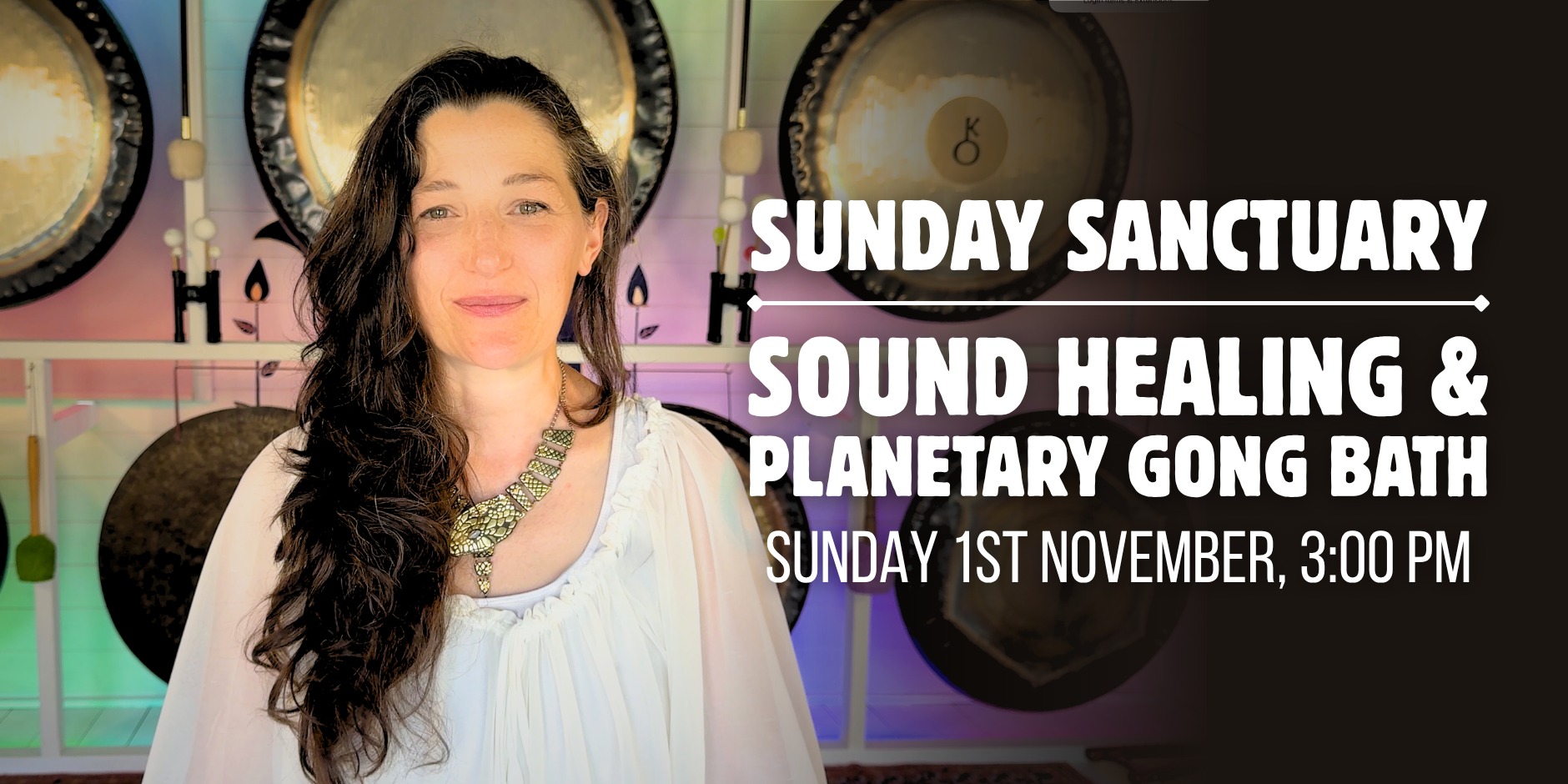
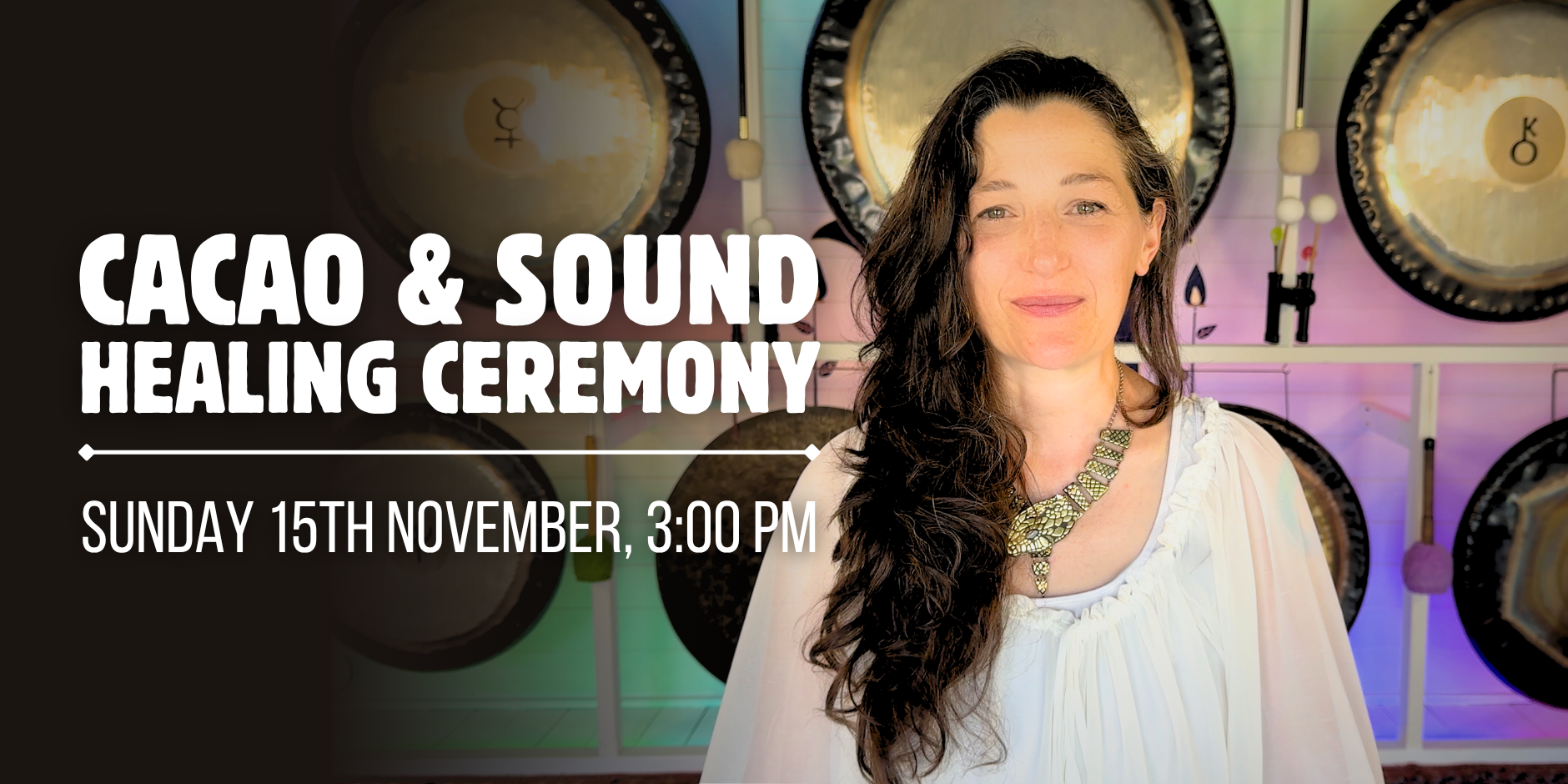
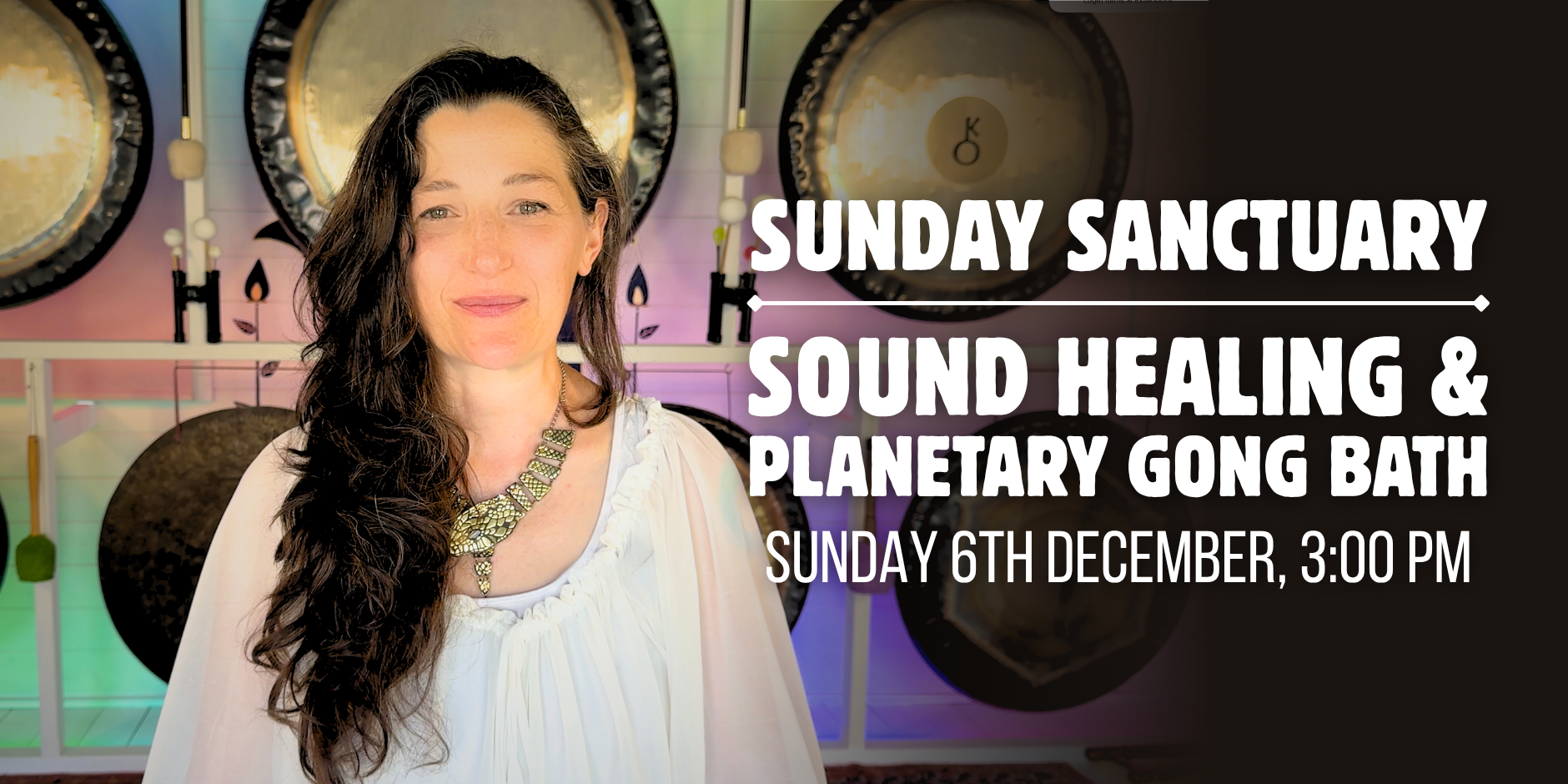
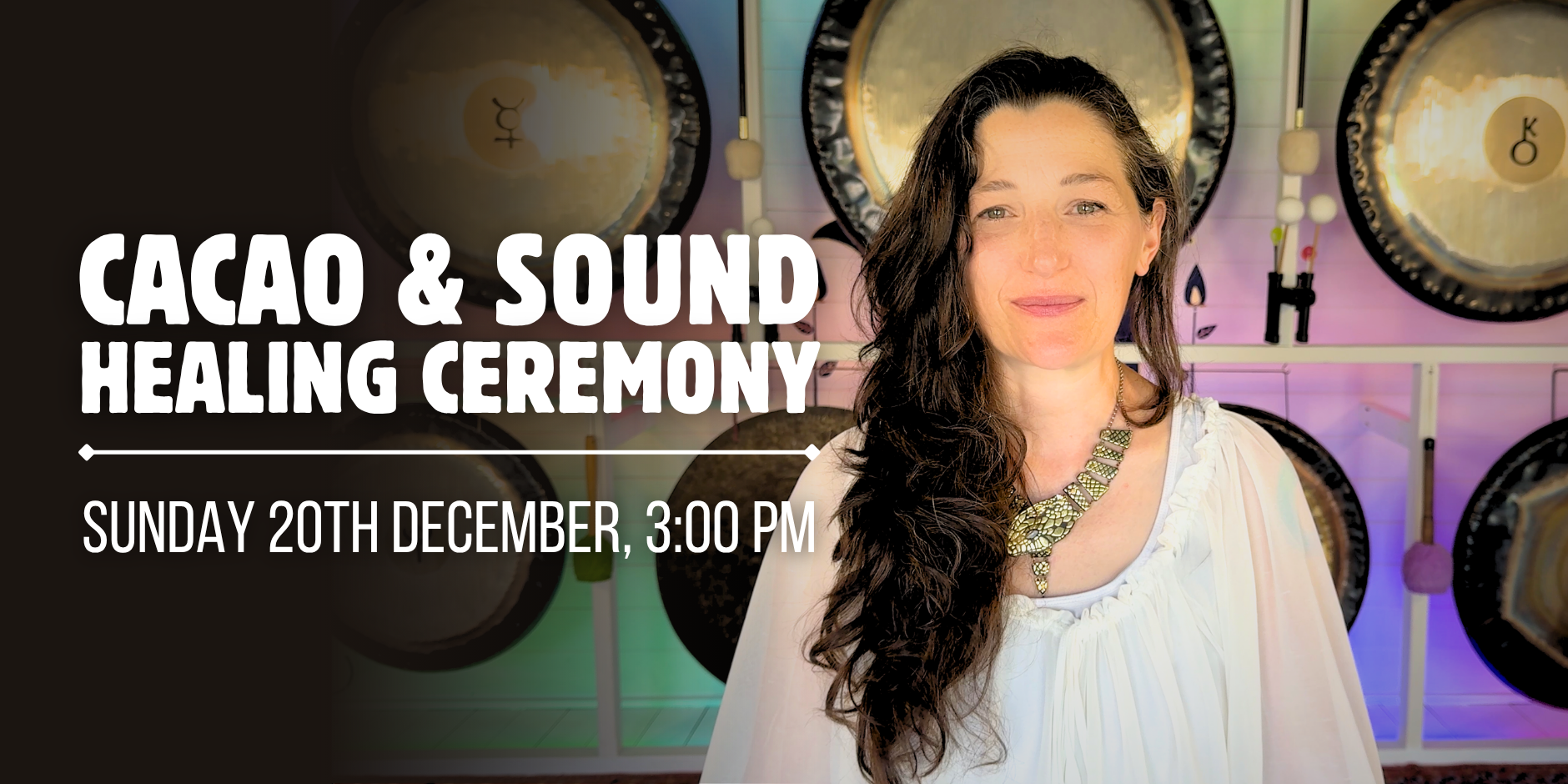
That is exactly why I hold these intentional spaces in my sound healing studio. Whether you join me for a Sunday Sanctuary Sound Bath or a deeply restorative Cacao and Sound Ceremony, you are stepping into a sanctuary specifically designed for sacred rest.
It often surprises people when they attend a ceremony, drink pure organic cacao—which acts as a gentle, heart-opening stimulant—and yet, within minutes of the gongs starting to play, they find themselves drifting deeply into Alpha, then Theta, and sometimes even deep Delta states of awareness.
There is a fascinating scientific reason for this: brainwave entrainment. While the cacao opens your blood vessels and shifts your awareness, the immense, physical acoustic frequencies of the gongs physically guide your brainwaves down into those deep, restorative Alpha, Theta and Delta states. Because your nervous system feels utterly safe in a cocoon of gentle sound waves (I always play gently) and the warm healing energy of the cacao, your body surrenders its active grip and drops into a deeply soothing, healing nap.
When you rest intentionally with me in the sound healing studio, wrapped in soothing sound frequencies and physically cushioned by squishy mats and pillows, you aren't just taking a break; you are shifting the entire architecture of your consciousness. The left hemisphere of the brain dominates our everyday lives—the logical, analytical, time-keeping side that loves lists, rules, and enforced thinking. The deep, resonant frequencies of a sound bath act like a gentle off-switch for that busy left-brain chatter. As the analytical mind steps back, the right hemisphere of the brain—our centre for intuition, holistic thinking, and deep creativity—finally gets a chance to thrive.
It is in this exact, balanced space that you access what is known as the shamanic mind. Without the constant noise of daytime left-brain logic, you are free to experience more of what our consciousness has to offer us. As we allow our right brain to wake up and lead our mind’s experience, we may see vivid visions, have profound dreams, and activate deep spiritual connections that help us see reality from a new and often highly beneficial perspective. It’s never about losing control; it’s about allowing your brain to naturally flush out the mental static of modern life and tapping into your inner shaman and experiencing an integrated state of flow.
And at the end of our sound sessions, you return to everyday reality, with the 2 hemispheres of your mind working powerfully together, feeling mentally cleansed, often with new awareness—ready to step back into your life with clarity and calm.
Are you ready to achieve more by doing less? Permit yourself to take a nap! And naturally, I invite you to step into the sound studio with me for our next Sunday gathering, or a personalised session any day of the week, and let’s explore the profound power of our Shamanic mind states together.