Listening to Your Body - Even When It Hurts
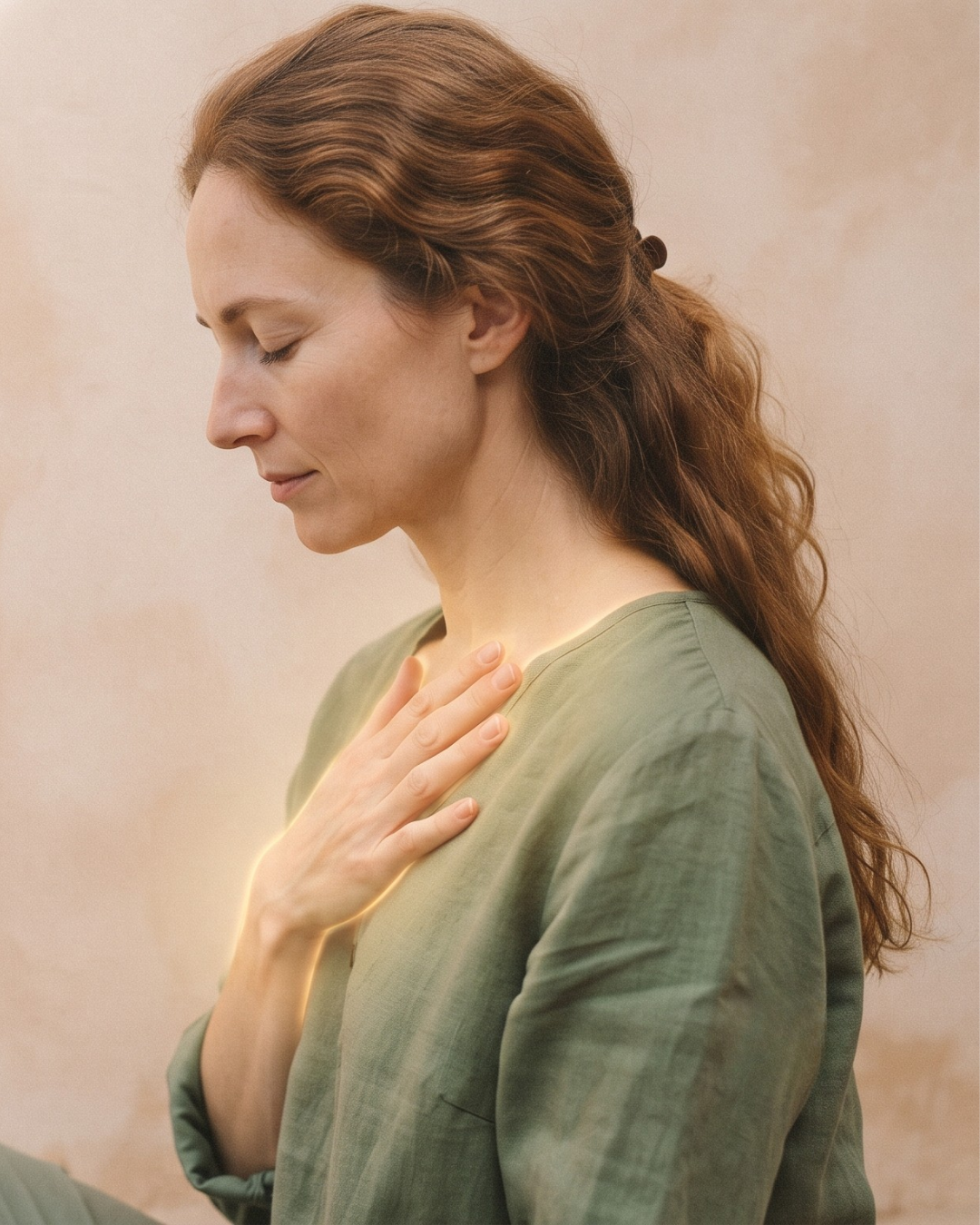
Pain - whether it’s the sharp throb of a physical injury, the burning ache of a chronic condition, or the unbearable weight of a broken heart- is one of the most misunderstood signals our body sends us.
We live in a culture that teaches us to numb it, push past it, or distract ourselves from it. But what happens when we stop fighting the pain and actually start listening?
The Small Splinter That Took Out My Whole Back
I got completely out of alignment recently, all because of a tiny splinter right in the middle of my foot.
It went deep, and I couldn't get it out for two days. Rather than stopping, I hobbled around in a protective stance to avoid putting weight on it. I even remember saying out loud to my husband on that first morning: "This is going to put my back out of alignment if I'm not careful - I really should put my feet up!"
Did I listen to my own advice? Of course not. I carried on regardless.
Next thing I knew, the wound got infected. I finally paused, rested, and applied a honey and herbal poultice to draw out the last particles of glass and clear the infection. But by then, the posture compensation in my hips and glutes brought on excruciating back pain that left me bedridden for two days.
Rest eventually did the trick (along with a big pot of herbal tea and a couple of movies in bed alone, my favourite escape when I physically cannot function!). But it made me ask myself: Why didn't I listen to my own wisdom and my body's pain signals in the first place?
The Cult of Busyness
I was busy with prescheduled commitments that week. As James Clear notes in Atomic Habits, when we operate strictly from automated, busy routines, we act like robots. Busy-ness is akin to lazy-ness!
For many of us, resting feels harder than pushing through. We are taught by parents, bosses, and society that busyness equals worth, while slowness is a flaw. My own upbringing reflected this: my resilient mum juggling work and three kids while my dad suffered from severe depression and back issues that left him bedridden for months. She had to keep our world turning, so she learned to ignore her own body signals (and often told me to "get on with it" when I was in pain).
While resilience has its place, ignoring pain signals until our body forces a hard shutdown does far more damage in the long run.
Medical Gaslighting & The Power of Educating Yourself
If you have ever been sent home from a doctor’s surgery feeling dismissed, you are far from alone. I’ve been gaslit more times than I can recall by GPs and gynaecologists regarding "women's issues." In fact, statistics show that around 80% of women leave a GP appointment without a clear diagnosis - often subtly (or overtly) told that it’s "all in their head."
At one point in my life, I saw six different GPs and two gynaecologists, only to be repeatedly told there was nothing wrong. It can lead to immense frustration and despair.
So, my main advice? Don't give up on yourself. Get educated.
You have far more time to explore your symptoms, research pathology, and tune into your subtle body signals than a busy practitioner working in a 10-minute time slot ever will.
Just recently, after a short bout of flu left me run down, I developed a small mouth ulcer. I had a scheduled check-up appointment at the dentist, and they did their job diligently by referring me to a specialist hospital department for a cancer check, just to be safe. Hilariously, when I sat down with the doctor - a specialist in the mouth, neck, and throat- I explained what was happening and offered the specific and common diagnosis I suspected.
He had never even heard of it!
I sat there and watched him Google it and read through a Wikipedia article right in front of me to update his knowledge. Ultimately, he agreed with me: it was completely benign and nothing to worry about.
Because I had taken the time to educate myself beforehand, I walked into that intimidating hospital space feeling confident, calm, and clear. I knew exactly what questions to ask to ensure we ruled out anything suspicious. And I took a list of questions just to be sure I didn't forget anything too.
Modern practitioners have their limits; we all do. Taking charge of your own health education isn't about disrespecting those who have studied medicine professionally; it's about making sure you can actively partner in your own care rather than feeling helpless.
When Every Cell Hurts: Emotional & Somatic Pain
Pain isn't always caused by a physical tissue tear or infection. Over twenty years ago, during a divorce, I went through a painful season that also left me homeless for about a year.
I remember feeling as though every single cell in my body hurt. There was no medical diagnosis for it, no physical wound to point to, yet the pain was excruciatingly real and unbearable. Emotional heartbreak, grief, and trauma settle directly into our physical nervous system, muscles, and fascia.
During that time, I learned not to suppress it. I leaned into the pain and "wallowed constructively", knowing that feelings must be moved through us to heal. I felt for my neighbours as I let out wails like a banshee, but allowing that grief to express itself was how I prevented it from locking into my physical body permanently. And free me up to love again wholeheartedly!!
How Do We Respond to Pain?
1. Listen Metaphysically & Somatically
You can discover metaphysical themes behind physical ailments online, but working with a body psychotherapist or exploring our energy body’s stories within a shamanic healing session can help you tune directly into the hidden stories stored within your tissues that your conscious mind has long forgotten.
For instance, my foot splinter was a metaphysical call to pause active forward drive, examine hidden points of friction in my boundaries, and regain clean grounding before stepping forward again.
2. Reframe Pain Through Traditional Chinese Medicine (TCM)
In TCM, all pain is understood as stagnation of Energy (Qi) or Blood. When life energy flows freely through the meridians and tissues, there is no pain. Conventional drugs often act by masking pain signals or numbing the nervous system. Herbs work differently: they unblock stagnation, promote healthy micro-circulation, and restore vital flow so the body can bring itself back into harmony.
Herbal Allies for Pain, Grief, and Inflammation
Nature provides us with incredible tools to support every layer of pain:
For Physical Pain & Inflammation
Ceremonial Cacao (20g+ daily): Rich in magnesium to relax hyper-contracted skeletal muscles, and loaded with anandamide (the "bliss molecule") and anti-inflammatory flavanols that soothe hyper-sensitive pain pathways in conditions like fibromyalgia.
Meadowsweet (Filipendula ulmaria): Nature’s original pain relief. Rich in natural salicylates (the compounds that inspired aspirin), Meadowsweet cools systemic inflammation and eases joint/muscle pain while actually protecting and soothing the stomach lining rather than irritating it.
Gotu Kola (Centella asiatica): A master connective-tissue and nerve restorative. It works by suppressing inducible nitric oxide synthase and inflammatory prostaglandins while reducing microvascular congestion, making it invaluable for nerve-related aches, tissue healing, and systemic stiffness.
Rosemary & Lavender: Rosemary stimulates cerebral blood flow, clearing stagnant tension headaches and sluggish circulation, while Lavender calms over-firing pain receptors in the central nervous system.
Cannabis & CBD: CBD and medical THC (now accessible through specialist UK prescription pathways) act directly on our endocannabinoid receptors to dial down centralised pain signalling. They can also act as powerful antispasmodics, relieving pain caused by muscle tension.
For Heartbreak, Grief, and Emotional Wounds
Lemon Balm (Melissa officinalis): A balm for the grieving heart. Melancholy can feel heavy in the chest; Melissa lifts the spirits, clears nervous agitation, and restores light.
Rose (Rosa damascena): The ultimate heart healer. Rose holds a gentle, protective frequency that comforts broken emotional tissues, softens grief, and restores self-compassion.
Chamomile (Matricaria chamomilla): Soothes the "inner child." When emotional pain leaves us feeling vulnerable, raw, exposed, or prone to emotional outbursts, Chamomile wraps the nervous system in a warm, protective hug.
Decoding Your Body’s Language & Taking Your Power Back
Pain is not your enemy - it is a messenger crying out for attention, care, and flow. Whether your body is hurting from a physical injury, chronic illness, or the deep somatic ache of an emotional wound, learning how to listen changes everything.
The Ultimate Act of Self-Care: Get Educated
The most radical act of self-care you can practice isn’t just taking a bath or resting for an afternoon - it’s getting educated about your own anatomy, physiology, and energy.
When you understand how your body actually works, you stop feeling helpless in the face of pain or dismissal. You learn what your symptoms are asking for, how inflammation behaves, and how to advocate for yourself. You become the true expert on your own body.
Every healing path has its place. Modern medicine excels at acute emergency care, while herbalism and energetic medicine excel at chronic balance, restoring flow, and addressing root causes. Finding balance often starts with building your own knowledge so you can navigate both worlds with confidence.
Resources & Ways to Deepen Your Journey
Whether you prefer to explore on your own or walk alongside a guide, here are a few ways to take the next step:
Self-Study & Body Literacy: Start reading, tracking your body's signals, and building your own home apothecary knowledge. Learning how basic herbs, nutrition, and rest affect your nervous system is a gift that serves you and your loved ones for life.
1-to-1 Clinical & Shamanic Consultations: If you want personalised support to uncover the root causes of physical pain or clear emotional/metaphysical stagnation, I offer individual sessions blending medical herbalism, TCM, and shamanic healing, with a special focus on emotional wellbeing and women's health.
The Shamans Way Training (Starts October 2026: For those ready to go deep into energy medicine, spiritual listening, and unravelling emotional wounds. (Almost sold out for this cohort, please check it out if it calls you, as this course only comes once a year!)
The Herbalist Way Training (Starts April): A comprehensive, hands-on journey to master plant medicine, decode your body's signals, and become a confident home herbalist. (Intentionally kept intimate with only 8 places available)
Your body is always speaking to you.
Commit to listening, learning, and honouring its wisdom, whether that means picking up a book on understanding the metaphysical meanings of pain, exploring the healing power of plant medicine, taking a restful pause today, or reaching out for guided support. Your body deserves your attention!