The Crimson Elixir: Why Blood is Nature’s Wildest Biotech (and How to Care for Yours)
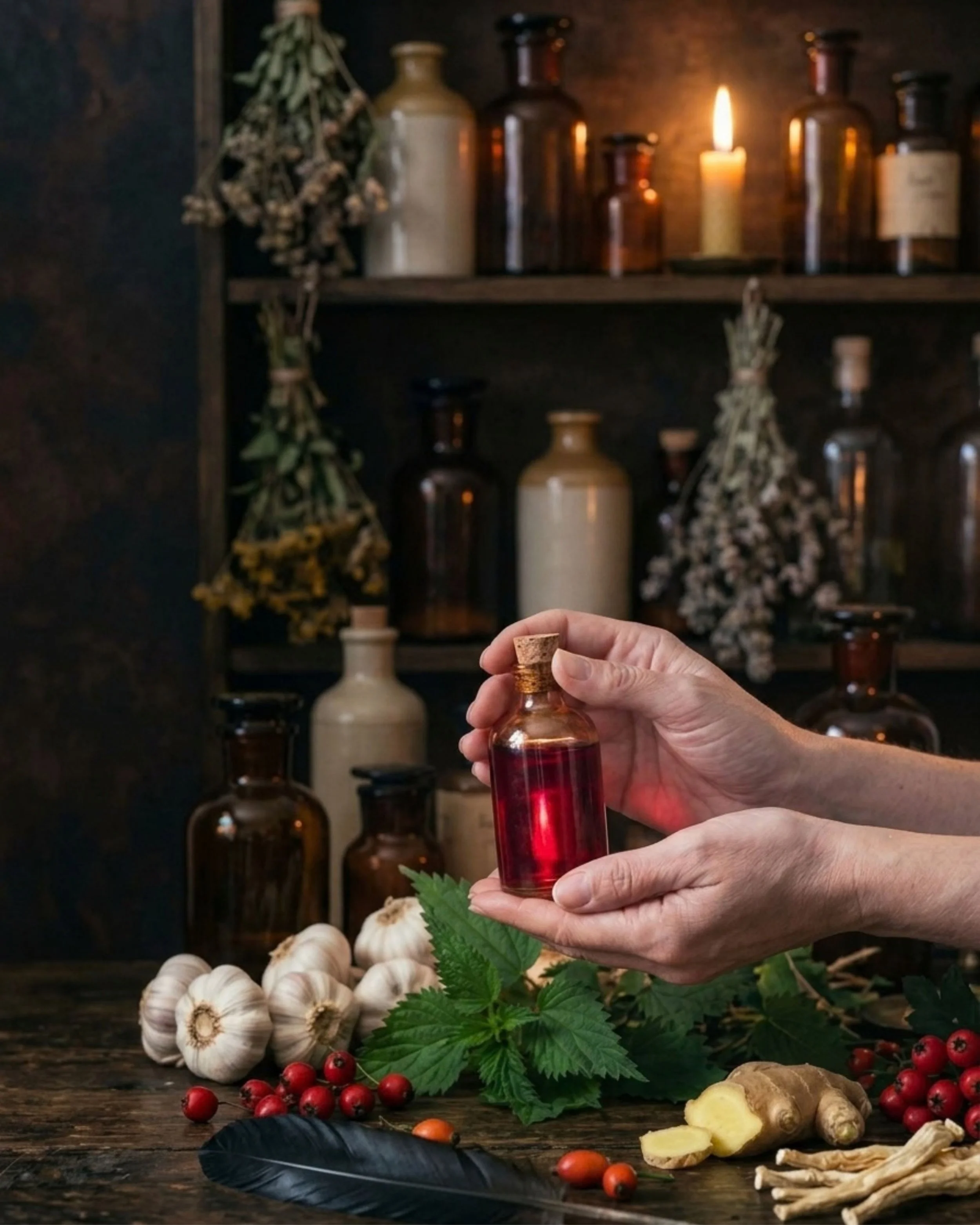
October has arrived, which means vampires, fake fangs, and corn-syrup blood splatters are officially back in fashion. Yet while horror movies treat blood as a prop for jump scares, real human blood is vastly stranger, more sophisticated, and more magical than anything Bram Stoker ever dreamed up.
It is our personal riverscape: a 60,000-mile closed aquatic transport network carrying oxygen, hormones, immune sentinels, and heat to every outpost in the body. It’s also one of our most misunderstood tissues.
What’s in the Vial? The Bonkers Numbers
If you zoom in on a drop of blood under a microscope, it looks like a sci-fi city at rush hour. Roughly 55% of it is plasma (essentially a salty, protein-rich soup) and the other 45% is cellular machinery. The real workhorses here are the red blood cells, and the stats on them are frankly ridiculous.
There are about 270 million haemoglobin molecules crammed into a single red blood cell. Every single one of those haemoglobin molecules holds four iron atoms that latch onto oxygen. If you do the maths, just one microscopic red blood cell carries over a billion molecules of oxygen every time it loops through your body.
They are also on a complete suicide mission. Red blood cells are so obsessed with packing in oxygen that they kick out their own nucleus and mitochondria. They literally strip the car down to the chassis just to carry more cargo. They work flat out for about 120 days until they finally wear out and peacefully retire in your spleen. Meanwhile, less than 1% of your blood houses the entire ministry of defence crew: white blood cells hunting down pathogens like tiny soldiers, and platelets rushing to knit an emergency mesh the second you get even the tiniest paper cut.
Menstrual Blood: The Discarded Miracle
And as a woman, I can’t talk about blood without talking about menstruation. For generations, society treated period blood as dirty, embarrassing, or something to hide away. Science is finally catching up, and it turns out menstrual fluid is an absolute biological goldmine.
It’s not just regular capillary blood. It’s packed with tissue from the uterine lining, cervical fluid, and something scientists are obsessed with right now: Menstrual Blood-Derived Stem Cells, or MenSCs. Think about what the uterus does. It builds a thick, rich network of blood vessels from scratch, holds onto it, sheds it, and rebuilds the whole thing all over again about 400 times in a lifetime. That kind of tissue regeneration doesn’t happen anywhere else in the adult human body.
Landmark research out of Japan, specifically from teams at the National Research Institute for Child Health and Development in Tokyo, isolated stem cells from menstrual blood and proved they could be coaxed into becoming beating heart muscle cells, nerve cells, and cartilage. What makes this even better is accessibility. Getting bone marrow stem cells requires a massive, painful needle straight into the hip bone. Harvesting menstrual stem cells is completely painless, safe, and non-invasive. These cells multiply faster than most other adult stem cells and have a remarkably low risk of immune rejection. It is literally regenerative medicine on tap, and we’ve been tossing it in the bin for centuries.
The Iron Paradox: Feed It or Bleed It?
How you nourish your blood depends entirely on who you are, your biological sex, and what season of life you are walking through. For menstruating women, rebuilding the tank is the main priority. Because you lose blood every single month, low iron and depleted ferritin, your iron storage tank, are massively common. If you’re feeling wiped out, freezing cold, or your brain feels like wet cardboard, low iron is often suspect number one. You want to load up on iron-rich foods, but always pair plant-based iron like dark leafy greens, lentils, or pumpkin seeds with Vitamin C, which converts the iron into a form your gut can actually absorb. You also need B vitamins, especially B12 and folate, because your bone marrow can’t build healthy red cells without them.
Here’s the plot twist: iron is a double-edged sword. If you don't bleed monthly, you have no easy biological way to dump extra iron. For men and post-menopausal women, excess iron floating around causes severe oxidative stress: your tissues literally rust from the inside out. There’s also genetic haemochromatosis, where the body hoards iron and piles it into the liver and heart. Because of this, men and post-menopausal folks shouldn't blindly take multivitamins with iron unless a doctor has checked their ferritin and told them to. If your levels are creeping high, go donate blood. It’s genuinely one of the easiest, most effective health resets out there because you lower your own oxidative stress while saving someone else’s life.
Traditional Chinese Medicine: Is Your Blood Starving or Stuck?
In Traditional Chinese Medicine, blood isn't just a physical liquid; it's an energetic partner to Qi. The classic philosophy states that Qi moves Blood, and Blood holds Qi. When blood falls out of balance in this system, it usually shows up as either deficiency or stagnation.
Blood Deficiency, or Xue Xu, is all about running on empty. It happens when the body lacks the raw materials or digestive strength to build rich blood, often driven by overwork, poor nutrition, or heavy blood loss. It presents as a pale complexion, dry skin, brittle hair, feeling dizzy when you stand up quickly, restless insomnia, or periods that become light and scanty. Men get blood deficiency too, which often manifests as stiff tendons, poor physical endurance, dry eyes and dull headaches.
Blood Stagnation, or Xue Yu, is more like a traffic jam. This occurs when circulation slows down, freezes, or gets trapped, frequently triggered by chronic emotional stress, cold lodging in the tissues, or inflammation. Instead of feeling tired and dry, stagnation feels sharp and obstructive. It shows up as fixed, stabbing aches that stay in one exact spot, dark and clotted menstrual flow, piles or varicose veins. When blood sits still, tissue starves and pain flourishes.
The Herbal Apothecary: Builders and Movers
This is where botanical medicine can support you. Instead of throwing one generic blood tonic at the body, we look at whether the blood needs to be nourished or nudged into motion.
When it comes to building blood, Nettle leaf is the undisputed heavyweight champion. It is packed with plant iron, chlorophyll, and trace minerals. If you brew it strong, it turns into an inky dark green infusion that nourishes the blood. Then there is Dong Quai, famous in Chinese medicine as the premier female blood tonic because it feeds the blood while gently nudging it into motion, it is therefore one of the best herbs for painful periods. And White Peony root (Bai Shao) is an absolute treasure: it builds and preserves blood, softens physical and emotional tension, and calms spasms and soothes an anxious mind.
If the issue is stagnation, we turn to the movers and circulatory stimulants. Fresh Ginger is the classic warming kitchen medicine, encouraging peripheral circulation and pushing blood straight out to our extremities, our fingers and toes. And Motherwort, is brilliant for gently moving pelvic circulation, breaking up mild stagnation, and soothing a racing, stressed or anxious heart all at once.
How to Repel Vampires and Mosquitoes
Now for a bit of practical Halloween survival. If Dracula or a cloud of mosquitoes is sizing you up, folklore and biochemistry actually share some common ground.
The old garlic myth has real legs. Garlic is packed with allicin and pungent sulphur compounds. When you eat it regularly, your liver processes these compounds and excretes them through your breath and your skin's pores. That aromatic shield helps mask the natural carbon dioxide and lactic acid plumes that mosquitoes use to track you down like heat-seeking missiles.
You might have also heard the folk remedy of taking Vitamin B6 or a high-dose B-complex to ward off insect bites. The clinical trials on this are mixed, but B vitamins do support the liver’s metabolism of fatty acids, which directly alters the scent profile of your natural skin oils. In reality, mosquitoes hunt by detecting body heat, heavy carbon dioxide exhalations, and skin bacteria feeding on sweat. Keeping your digestion clean, staying hydrated, eating your alliums, and dabbing on a bit of lemon eucalyptus, or rose geranium essential oil, will do wonders to scramble their flight radars.
Loving the River Within
At the end of the day, our blood isn't something to be scared of. It is an intelligent, responsive liquid tissue that is chemically altered by every meal you eat, every breath you take, and every emotional wave you ride.
Whether you’re honouring the incredible regenerative power of a monthly cycle, warming up sluggish circulation, or heading down to the local blood donor clinic to donate a pint and clear out excess iron, taking care of your blood is the ultimate foundation of your vitality. Drink your nettles, move your body, eat your greens, and treat the crimson river inside you with the awe it deserves.
If your own crimson river feels depleted or stuck, I’d love to help you find your way back to balance through a 1-to-1 herbal consultation.
Further Reading
1. Healing the Sacred Feminine
2. Come Home to Your Heart: The Ancient Medicine of Cacao & Sound Healing
3. Cleanse & Empower: Red Clover for Inner Strength and Finding Your Voice