From "Gut Feeling" to Gut Science: Why Your Microbiome is the Master Conductor
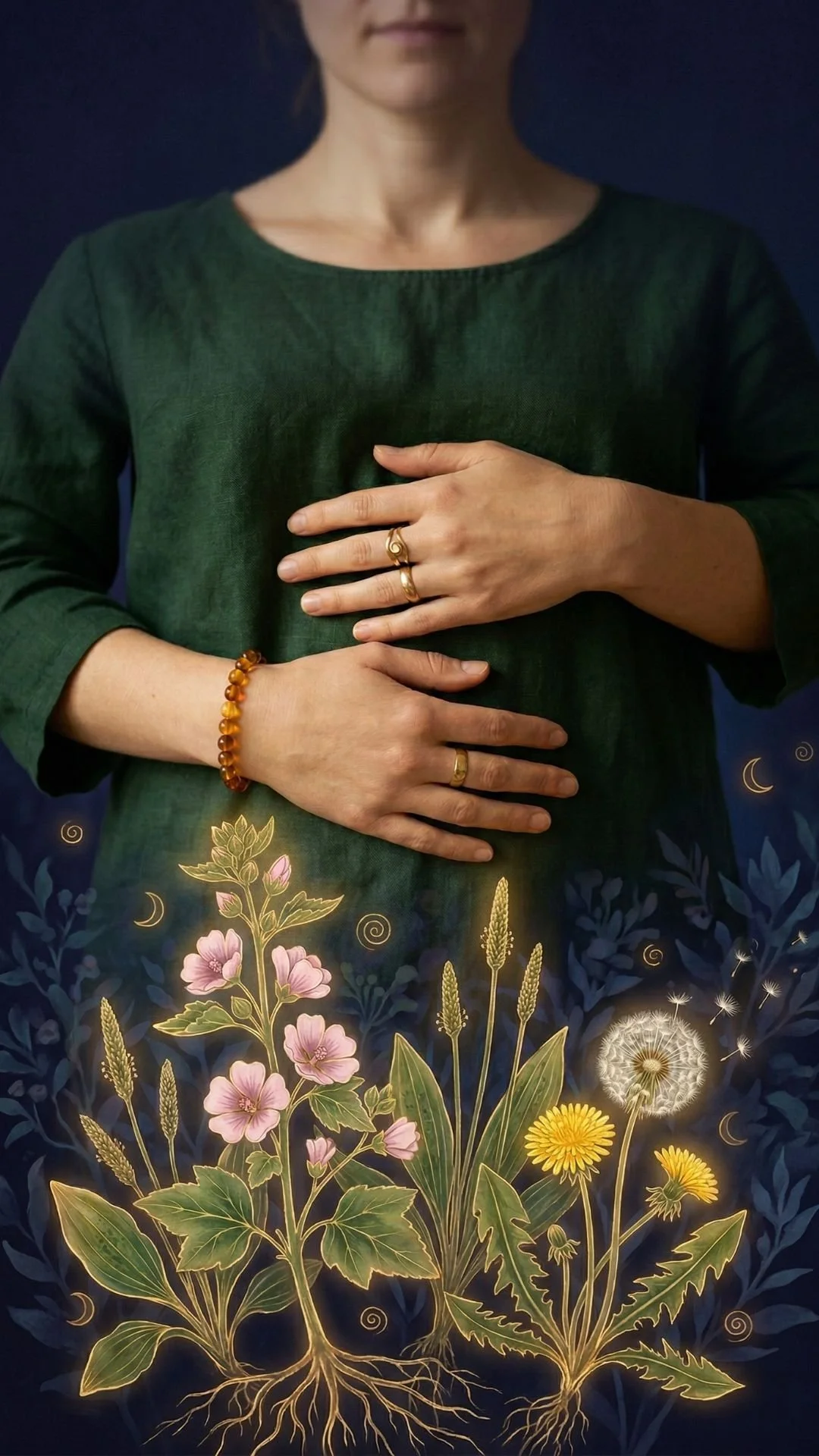
Over thirty years ago, when I began my training as a Medical Herbalist with many wonderfully knowledgeable teachers — including the esteemed Andrew Chevalier — we were taught a fundamental truth: All health begins in the gut. It was the cornerstone of herbal medicine then, and it remains so today.
Back then, the phrase "you are what you eat" was a foundational part of our belief system. Today, that mystery has been replaced by a map. We now know it is not entirely true that we are what we eat; rather, we are what we can digest and eliminate. We have discovered that it isn't just our human cells doing the work; our bodies host a thriving ecosystem of up to 1,000 different strains of bacteria that perform roughly 40% of the heavy lifting for our metabolism. This "Microbiome" is the master conductor of your health's orchestra. When the conductor loses the beat, every system in the body begins to play out of tune.
The Ancestral Mismatch: A Gut Out of Time
To understand our modern health crisis, we must look back. Our ancestors consumed a staggering variety of wild plants and roots, providing roughly 100g of fibre per day. In our modern "beige" world of processed food and drink, the average person struggles to reach 15g. The British Dietetic Association confirms that UK adults consume far too little fibre — hovering around 20g daily, well below the recommended 30g.
We have effectively been starving ourselves and our internal "microbial garden." Thirty years ago, we called this "sluggish digestion." Today, we recognise it as an ecological collapse. When we starve our friendly bacteria, we lose a major "secret weapon" of gut health: Butyrate.
The Hero Molecule: Butyrate
Beneficial bacteria ferment prebiotic fibres to create Butyrate (a short-chain fatty acid). This is the "glue" for your gut lining. It fuels the cells and keeps the "tight junctions" of your intestines locked. Without Butyrate, the lining becomes permeable — leading to Leaky Gut, where undigested proteins and toxins "leak" into your bloodstream, alerting the immune system to go to war. Peer-reviewed research into butyrate and intestinal barrier function confirms just how central this molecule is to whole-body health.
The Web of Connection: How Your Gut Speaks to Your Body
Because of this "leak," a gut issue rarely stays in the stomach. Here is how the "Master Conductor" influences every other system:
The Nervous System (The Second Brain): Your gut contains the Enteric Nervous System (ENS) — a mesh of 100 million neurons. It produces 90% of your Serotonin. If the gut is inflamed, the ENS sends "alarm" signals to the brain, manifesting as anxiety, depression, and brain fog.
The Gynaecological System: We now know the Estrobolome (a group of gut bacteria) manages oestrogen. If these are out of balance, oestrogen is reabsorbed rather than eliminated, leading to PCOS, heavy periods, and PMS.
The Urinary & Vaginal Connection: Your vaginal flora is "seeded" by your gut. A healthy gut prevents the migration of bad bacteria to the urinary tract, which is often the hidden root of recurrent cystitis.
The Immune & Respiratory Systems: With 70% of your immune system in the gut, a "leaky" barrier causes hypervigilance, leading to allergies, asthma, and chronic sinus issues.
The Musculoskeletal System: Gut inflammation releases "fire" (cytokines) into the blood that settles in the joints, contributing to unexplained joint pain and stiffness.
The Cardiovascular System: Gut microbes influence how we process fats and manage blood pressure. A healthy gut keeps the blood flowing and the "heat" off the heart.
The Mirror of the Skin: In herbalism, the skin is considered a major detoxification organ. Acne, rosacea, and eczema are often the body's way of eliminating what a compromised gut could not.
Prebiotic Herbs: Nurturing Your Inner Garden
As an herbalist of 30 years, I find it fascinating that we can now see the bacteria we've been hosting for decades. And with this new knowledge, we can take back our power and step more easily toward optimal health. To do this, I believe we must nurture our microbiome every single day. Below are the herbs I return to again and again in my practice.
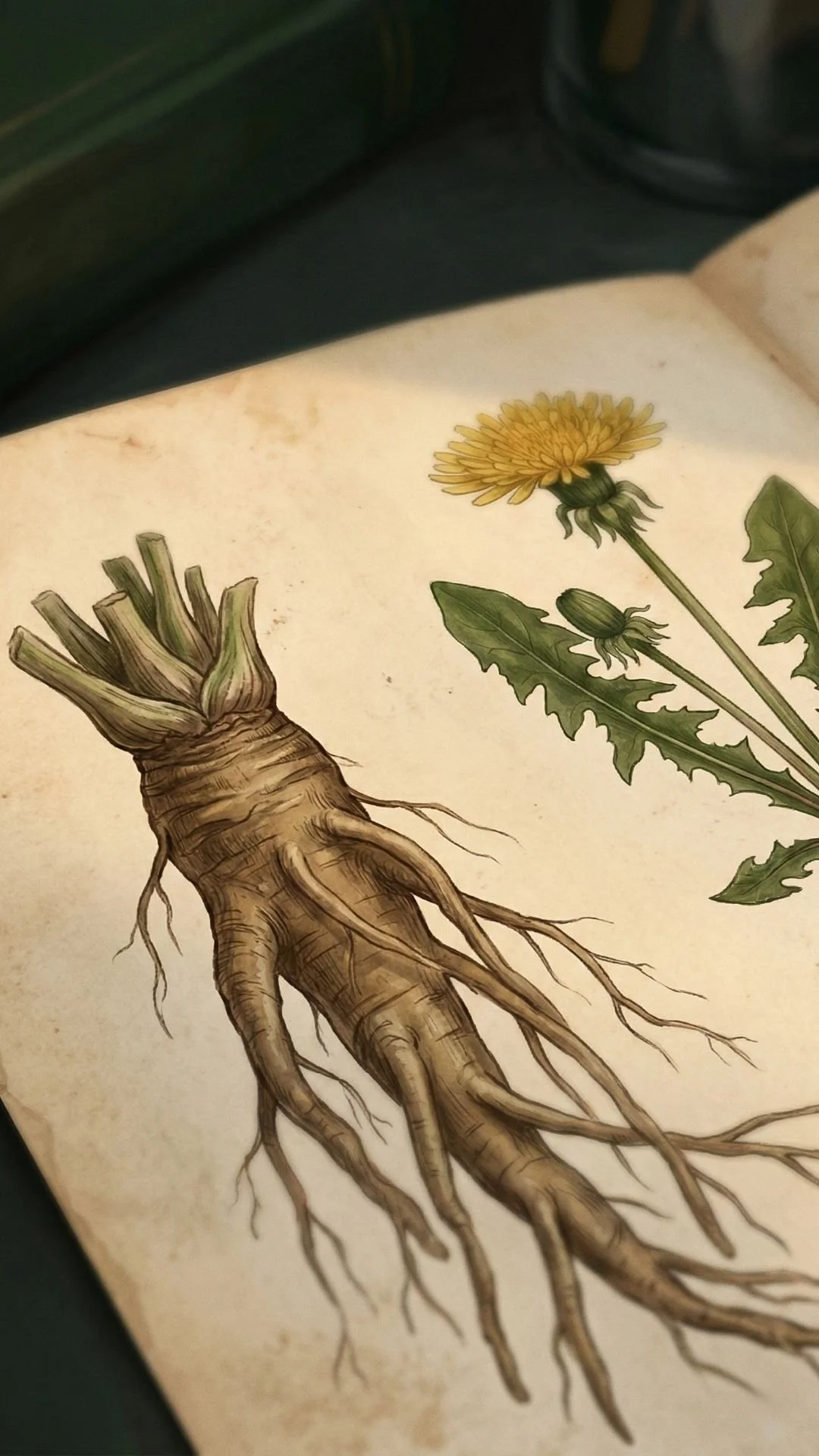
The "Inulin Kings" — Root Herbs
These are the heavy hitters. They provide the most concentrated "fertiliser" for your gut bacteria.
Elecampane (Inula helenium): One of the highest sources of inulin (up to 44%). It's also superb for the Gut-Lung axis because it's a warming expectorant.
Burdock Root (Arctium lappa): A classic "alterative" or blood cleanser. Delicious in stir-fries (known as Gobo) and provides a steady supply of prebiotic fibre.
Dandelion Root (Taraxacum officinale): Not just a liver tonic! When roasted, it makes a delicious coffee substitute that feeds the microbiome while supporting bile flow.
Chicory Root (Cichorium intybus): The most famous commercial source of inulin. Exceptionally hardy and supports the growth of Bifidobacteria.
The "Mucilaginous" Prebiotics — Soothers
These don't just feed the bacteria; they provide a "slime" (mucilage) that coats and heals the gut lining — essential for repairing Leaky Gut.
Marshmallow Root (Althaea officinalis): Provides a soothing "bandage" while its complex sugars feed beneficial flora.
Slippery Elm (Ulmus rubra): A traditional food for convalescence that is highly fermentable by good bacteria.
Plantain (Plantago major/lanceolata): Often overlooked, but the seeds and leaves contain fibre and mucilage that support gut transit and flora.
Culinary Prebiotic Herbs — The Kitchen Toolkit
These are the easiest for people to incorporate into their daily "nurturing" ritual:
Garlic & Onions: Rich in FOS (fructooligosaccharides). Eating them raw or lightly fermented in honey is a powerful prebiotic hit.
Asparagus: Contains high levels of inulin; wonderful for the urinary system, too.
Jerusalem Artichoke: Often called "fartichokes" because the bacteria ferment the inulin so vigorously — a sign of a very active microbiome!
Lemon Balm: While mainly known for the nervous system, it has been shown to have a mild prebiotic effect, helping to balance the "second brain."
The Herbalist's Daily Ritual: Feeding the Conductor
To truly heal the gut, we must move beyond the occasional supplement and integrate these "living medicines" into our daily rhythm. I often suggest starting with the "Ignition Switch." About 15 minutes before your main meals, take a dose of Digestive Bitters — whether it's a prescription blend from your herbalist, a few drops of a tincture of Gentian and Artichoke, or a simple cup of Milk Thistle and Dandelion root as a decoction. These bitter compounds hit the tongue and send an immediate signal to the Enteric Nervous System, triggering the release of stomach acid and bile — your body's natural "sanitisers."
The Morning Hearth: A Warm Start
We begin the day by stoking the digestive fire, or what we herbalists call the "metabolic heat." Instead of a cold, damp smoothie that can extinguish this fire, I recommend a Warm Bio-Active Porridge — a "diversity blend" of Gluten-Free Oats, Quinoa, Buckwheat, and Millet flakes. By using a variety of grains, you are providing a complex spectrum of fibres that act as unique "prebiotic fertilisers" for different strains of bacteria.
Simmer these grains with your favourite milk — plant or animal are both fine — and top with stewed apples, rich in pectin, which soothes the gut lining while feeding beneficial flora. I always add a generous pinch of Clove — a potent carminative that warms the digestive tract, moves stagnant energy, and helps prevent bloating. Once your porridge has cooled slightly, add a dollop of sheep's yoghurt or kefir so as not to kill the delicate live cultures.
On the side: A warm mug of Roasted Chicory Root — the perfect caffeine-free companion that provides a rich, dark depth and a potent dose of Inulin, the "prebiotic gold" that feeds your Bifidobacteria during the body's morning "cleansing" phase.
For the Low-Appetite Morning: The Living Elixir
If you wake without a strong appetite, don't force a heavy meal — but do give your microbes a "liquid breakfast." A Probiotic Smoothie using a base of fresh, live Yogurt or Kefir, blended with slightly under-ripe Bananas (high in resistant starch) or Blueberries, works beautifully. Their polyphenols act as "selective prebiotics," specialised health food for the bacteria that manage your mood and metabolism.
The Midday Sweep: Hormonal Harmony
For lunch, we shift our focus to the Gut-Lung and Gut-Hormone Axis. A warm, mineral-rich soup is the perfect vehicle for healing — "pre-digested" by the cooking process, making it incredibly gentle on a sensitive Enteric Nervous System.
I love a base of Chicken Broth for its natural gelatin, but for vegetarians, a mineral-rich vegetable broth works beautifully. To the broth, add:
Potatoes and Sweet Potatoes: These provide "resistant starch" — the preferred fuel for the bacteria that produce Butyrate, the chemical that seals a leaky gut.
Celery and Peppers: Silicon and antioxidants that soothe the mucosal lining and support the urinary system.
Sautéed Leeks and Garlic: Your primary Prebiotics, providing the raw materials for your "friendly" bacteria to multiply.
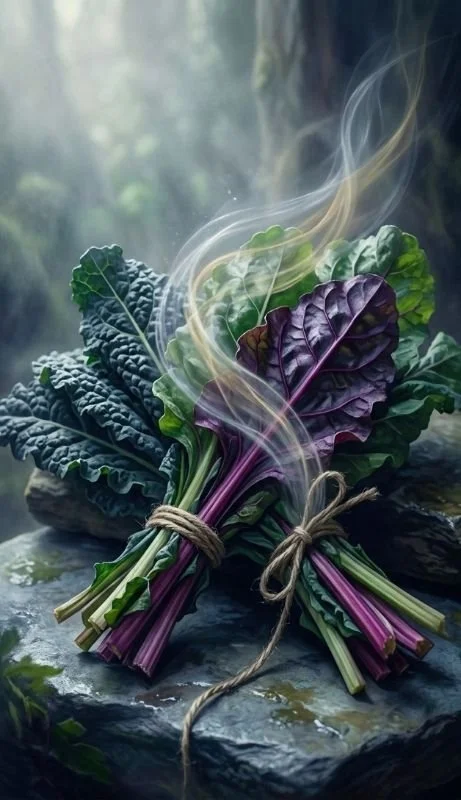
Leafy Greens like Kale or Chard: Essential for the Estrobolome; their insoluble fibre acts as a literal "broom" to sweep excess, used-up oestrogens out of the body. Without this "sweep," old hormones can be reabsorbed, leading to the "hormonal havoc" of PMS, heavy periods, or skin breakouts.
Always add your Miso (probiotic) at the very end — a crucial Herbalist's Secret. Boiling Miso kills the delicate live enzymes and bacteria; stirring it in just before serving ensures you are "seeding" your gut with live cultures.
To keep motility high and prevent post-lunch bloat, infuse your soup with fresh Ginger and Turmeric — "pro-kinetics" that ensure the rhythmic waves of the gut (peristalsis) keep moving. Serve with a slice of "Microbiome Bread" made from a blend of Flax, Chia, and Psyllium for a fibre-matrix that protects the gut wall and ensures regular elimination.
The Evening Grounding: A TCM Feast for the Liver and Sleep
As the day winds down, our focus shifts from "sweeping" to "settling." In Traditional Chinese Medicine (TCM), the Liver is the general of the body, responsible for the smooth flow of Qi (vital energy). If the Liver is congested from poor digestion, that energy gets stuck — often causing us to wake restlessly between 1 a.m. and 3 a.m. with a racing mind.
To soothe the Liver and prepare for deep, regenerative sleep, we turn to the grounding medicine of the earth with a Vibrant Root & Tempeh Stir-Fry:
Burdock Root (Gobo): The premier herbal prebiotic. Easily sourced fresh or frozen from online Asian grocers or speciality health shops.
Bamboo Shoots: To clear "heat" from the body.
Carrots and Beetroot: Rich in betalains and carotenoids that support the Liver's phase-two detoxification.
Cabbage and Sprouted Mung Beans: Cabbage provides the sulphur needed for glutathione production (our master antioxidant), while sprouts offer living enzymes.
Tempeh: A fermented soy powerhouse — a "living" protein that is easy on the gut and rich in probiotics.
Ginger: A generous hit of fresh ginger keeps the "digestive fire" warm enough to process the meal without causing nighttime bloating.
Serve over a bed of Buckwheat Noodles — a gluten-free seed (a pseudocereal) high in minerals that provides slow-release carbohydrate to keep blood sugar stable through the night, essential for preventing those 3 a.m. "cortisol spikes."
The Probiotic Finalé: Always serve with a side of Kimchi. The sour, fermented tang provides a final "cooling" dose of probiotics that signals to your "second brain" that it is time for rest. Garnish with a sprinkle of Nettle Seeds to nourish the kidneys and provide the mineral "building blocks" your mucosal lining needs to repair itself while you sleep.
The Herbalist's Snack: Nourishing the Gaps
Between our main "healing meals," we have a wonderful opportunity to further "fertilise" our microbial garden and support our nervous system. In The Herbalist's Way, we don't just snack to satisfy hunger; we snack to provide specific "intelligence" to our gut flora.
The Microbiome's Fruit Bowl
When choosing a snack, look for fruits high in polyphenols and pectin. Blueberries, Raspberries, and Blackberries are "selective prebiotics" — their vibrant pigments act as specialised health food for Akkermansia, a key bacterial strain that maintains a strong gut lining. Apples and Pears (eaten with the skin on) are rich in pectin, which helps to "gel" and soothe the intestinal wall while providing slow-release fibre. A few slices of Kiwi fruit or Papaya provide unique enzymes (actinidin and papain) that assist your own human enzymes in breaking down proteins.
The "Second Brain" Brew: Calming the Gut-Brain Axis
Mid-afternoon is often when our stress levels peak, which can "freeze" our digestive motility. A simple herbal infusion can reset the Enteric Nervous System — keep these separate from your food to allow the volatile oils to work directly on the gut wall:
Lemon Balm (Melissa officinalis): A "trophorestorative" for the nerves, feeding and repairing a frazzled system while dissipating digestive gas.
Fresh Mint: Peppermint or Spearmint relaxes the smooth muscles of the gut, preventing the "tension" that leads to cramping or bloating.
Hibiscus or Rosehips: Packed with vitamin C and anthocyanins, supporting the mucosal shield and providing an antioxidant "clean up" for the vascular system.
The Ritual of Bitter Cacao & Medicinal Mushrooms
For a truly transformative snack, I recommend a Water-Based Cacao Elixir. Unlike milk-based drinks, using hot water allows the Polyphenols in raw cacao to be more "bioavailable" for your gut bacteria. (You can find my full ceremonial cacao preparation guide here: How to Prepare Ceremonial Cacao at Home.) I like to whisk in a little medicine from the fungi kingdom:
Reishi (Ganoderma lucidum): Known as the "Mushroom of Immortality," it calms the "Shen" (the spirit) in TCM, supports the Liver, and is a potent prebiotic for the immune-regulating bacteria in your lower tract.
Lion's Mane (Hericium erinaceus): A neuro-protective marvel. It stimulates "Nerve Growth Factor," helping to repair the neurons in both your brain and your "second brain" (the ENS), clearing brain fog from the inside out.
Turkey Tail (Trametes versicolor): Perhaps the most researched mushroom for gut health. It contains PSK and PSP — complex sugars that act as a "super-prebiotic," significantly increasing the population of beneficial Lactobacillus and Bifidobacterium while keeping the immune system educated and alert.
The Big Debate: Are Probiotics Actually Worth It?
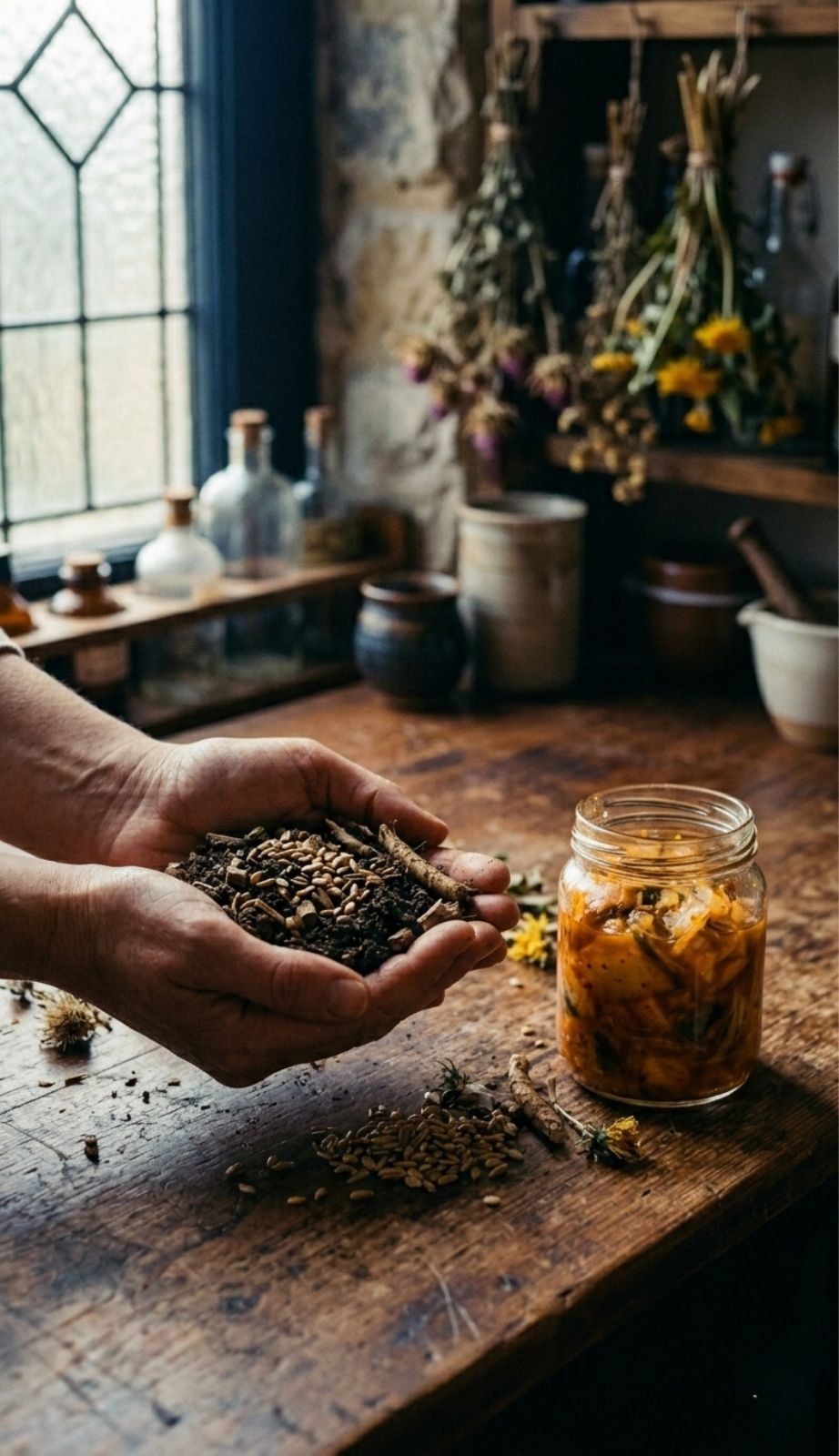
In my thirty years of practice, I have seen the "probiotic craze" go from a niche health-store secret to a multi-billion-pound industry. My students often ask: "Is it worth spending my money on these expensive capsules?" The answer, in true herbalist fashion, is: It depends on the environment you are putting them into.
The Case Against: Why They Sometimes "Fail"
If you simply "drop" a probiotic capsule into a gut that is inflamed, acidic, and starving for fibre, those beneficial bacteria are unlikely to survive. They are like seeds scattered on a concrete pavement; without soil, water, and sun, they cannot take root. This is why many people feel no difference when taking them — they are missing the Prebiotic "Fertiliser" and the Bitters needed to prime the digestive environment.
The Case For: The "Transient" Helpers
On the other hand, high-quality probiotics can be life-changing when used strategically. Many probiotics don't actually "colonise" your gut forever; instead, they are "transient passengers." As they pass through, they produce beneficial compounds, calm the immune system, and "crowd out" pathogens like Candida or E. coli. They act like a temporary peacekeeping force while your own native flora recovers.
The Herbalist's Verdict: The Whole-System Approach
I teach that probiotics are absolutely worth it — but only as part of a "Whole System" approach. Think of your gut like a garden. You wouldn't just buy expensive seeds (Probiotics) and expect a prize-winning display. You must first:
Prepare the Soil: Use Bitters to ensure proper stomach acid, and Slippery Elm or Marshmallow to soothe the "ground" (the lining).
Provide the Fertiliser: Eat the Prebiotic herbs like Burdock and Chicory we've discussed. These ensure the "seeds" have something to eat the moment they arrive.
Encourage Diversity: Don't just rely on a capsule. Integrate "living" ferments like Kimchi, Sauerkraut, and live Yoghurt into your meals. These provide a much wider spectrum of bacterial "intelligence" than a lab-grown pill ever could.
When used alongside these methods, probiotics aren't just a supplement; they are a catalyst — helping to "reset" the Enteric Nervous System and providing the support your immune system needs to stop overreacting to "leaks" and start focused healing.
Why Our Daily Digestion Rituals Matter
When you eat this way, you are doing more than just "filling a tank." You are participating in an ancient dialogue between the plants and your microbial partners. We must remember that we are not a physical machine that simply needs fuel; we are a living being made up of multiple organisms working together in a beautiful, complex symbiosis. By providing the "seeds" (the probiotics in your yoghurt and miso) and the "fertiliser" (the prebiotic roots and greens), you are rebuilding your digestive strength and your "sieve," enhancing your immunity from the inside out.
Thirty years ago, we knew this worked because we saw the results in our patients' skin, moods, and energy. Today, we have the joy of knowing why — because we are finally feeding the "Master Conductor" the music it needs to bring harmony to our whole mind and body. As Hippocrates famously said:
"Let food be thy medicine and medicine be thy food."
Taking the Next Step on Your Healing Path
While these dietary foundations are transformative, it is important to remember that every one of us is unique. If you'd like to understand more about what happened at a consultation before leaping, you might find it helpful to read What Happens When You Consult a Medical Herbalist? — and if you are ready to reclaim your power and dive deeper, I offer two ways to work with me:
Join The Herbalist's Way Course: Our first lesson is a dedicated deep dive into the fascinating world of digestive health — and every single lesson includes a shared medicinal meal. Come and discover how truly joyful and flavourful healing can be.
Personal 1-2-1 Herbal Consultations: If you need a bespoke approach, connect with me for a private session. This includes a full clinical assessment alongside lifestyle and dietary advice as standard practice, ensuring we find the exact herbal protocol for your constitution.
Your Invitation to The Herbalist's Kitchen
The journey back to health doesn't have to be a lonely one. Whether you want to join our vibrant community at the table or need a quiet, focused space to untangle your own health story, I am here to guide you. If you're based in Kent or joining us online, I would love to welcome you.
Further Reading
How to Prepare Ceremonial Cacao at Home — another ancient medicine meets modern ritual.
It's Time for a Spring Clean — seasonal renewal and the body's natural detox rhythms.
What Happens When You Consult a Medical Herbalist? — Curious about working with Sorrell one-to-one?
The Herbalist's Way — Course Page — Learn to heal through food, plants, and ceremony