Its time for a Spring Clean
It’s been a long, cold winter. The nights were dark, the energy was low, and maybe—just maybe—you could use a little spring clean?
Think about your kitchen sink. If you wash a plate right after dinner, it’s easy. But if you leave it for a week? The sauce dries into a crust. A film grows over the glasses. Eventually, it starts to smell, and the very idea of tackling the pile feels exhausting.
Our bodies are exactly the same. Over winter, we lean into the "heavy" stuff—sugar, dairy, comfort foods, and long hours of hibernation. But as the light shifts here in the Northern Hemisphere, our internal rhythm wants to shift too. If we don’t do a bit of "maintenance" as we move into Spring, that winter clutter starts to show up in ways that make life feel heavy:
The Gut: That sluggish, bloated "I-ate-too-much-cheese-in-January" feeling or stubborn constipation.
The Muscles & Bones: Aches and pains that make your limbs feel like they’re made of lead.
The Kidneys: A subtle, nagging backache that won't go away.
The Lungs: A feeling that your breath just isn't energising you.
The Mind: The dreaded "Brain Fog"—where trying to think feels like wading through thick porridge.
Now, I’m not a fan of the "hardcore" approach. You don’t need a week-long fast or intense colonics to find your sparkle again (unless you really want to and if you do, please find a good practitioner to support you!). For the rest of us, there is a gentle way. It’s about working with the light and the plants that are literally screaming "Pick me!" from the hedgerows right now.
The Hedgerow "Maintenance Crew"
Nature is clever. She knows our internal kitchen is likely congested after winter, so she provides the specialised cleaning crew right outside the back door.
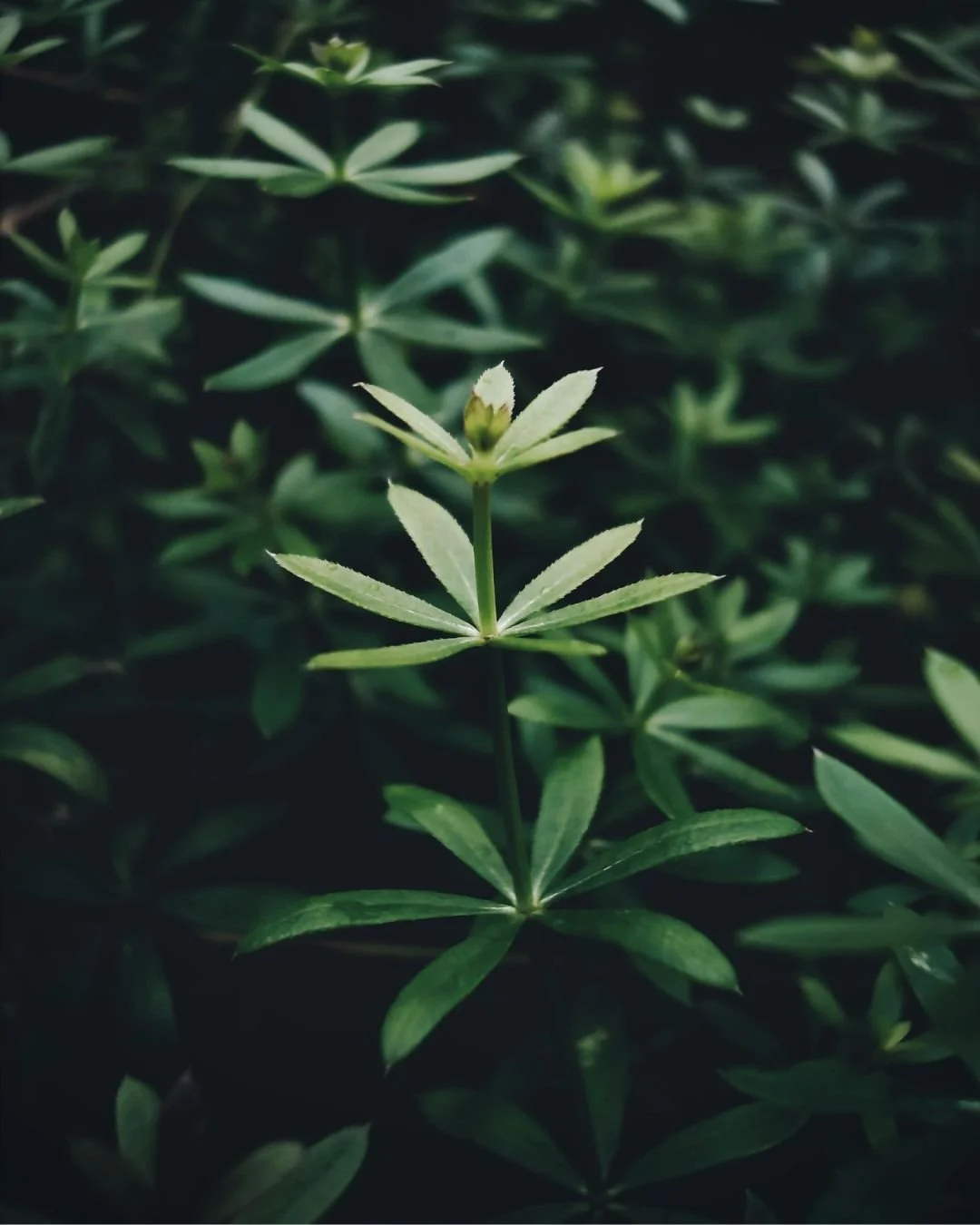
Cleavers (Sticky Willy): The Lymphatic Pump
This "weed" is the ultimate lymphatic cleanser. If you juice them, a tablespoon a day for a week can literally change the colour of your eyes! I’ve watched my own green irises shift from a muddy brown back to a vibrant, bright green, while the whites of the eyes become crystal clear as the lymph flows with ease.
The Science: Cleavers stimulate the movement of lymph—the fluid that carries waste away from our tissues and into the bloodstream for elimination. By reducing lymphatic congestion, they help clear skin conditions and reduce systemic inflammation throughout the whole body.
The History: Long before we had fancy kitchen gadgets, Greek shepherds used Cleavers to make a coarse sieve for straining milk; the tiny hooks on the plant acted as a perfect filter. In the same way, Cleavers acts as your internal filter, catching the metabolic debris that has been lingering in your "pipes" since January.
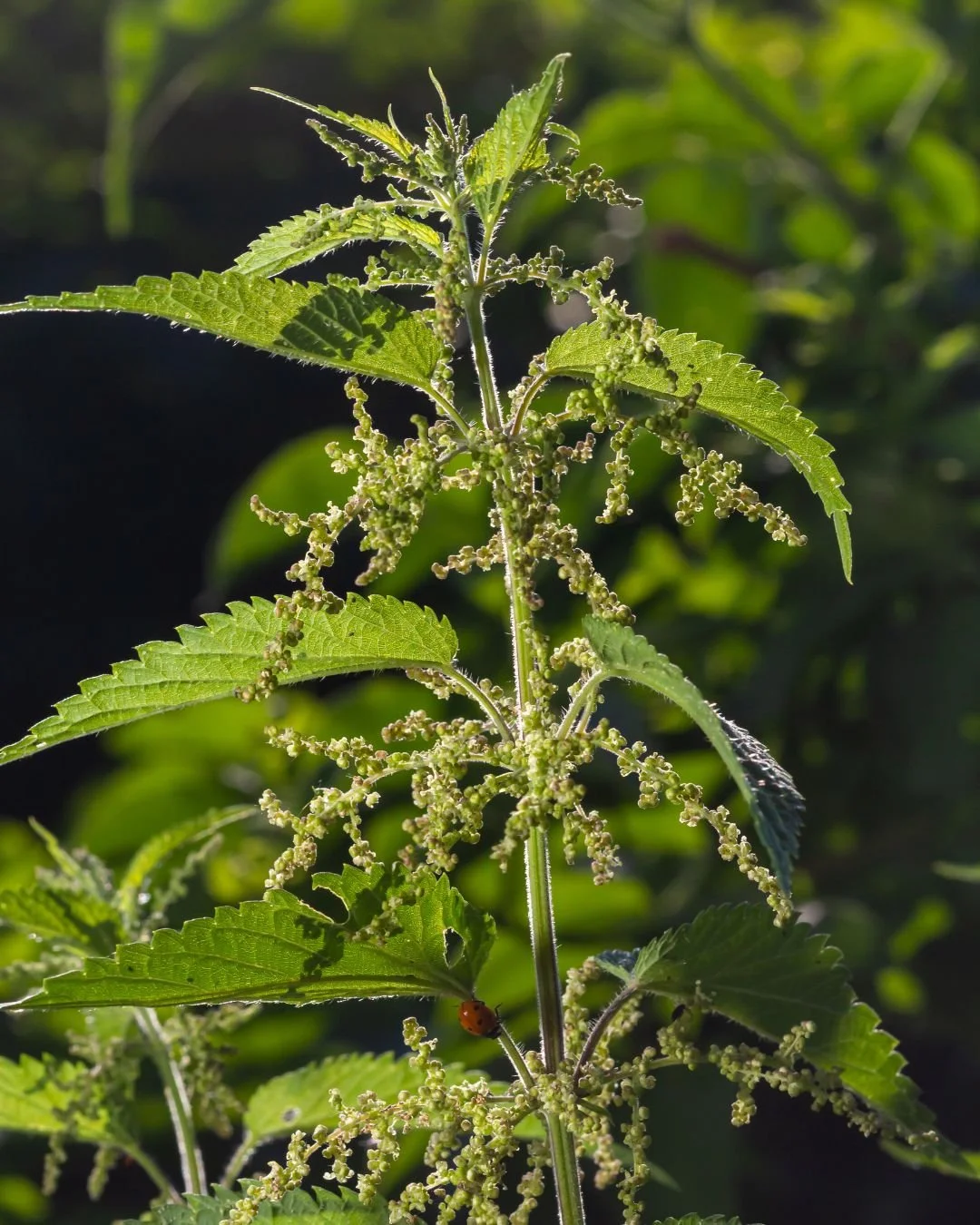
Nettle: The Iron-Willed Oxygenator
Nettles are a massive lung tonic and a deep cleanser for the blood and kidneys. Rich in iron, they help your body build more red blood cells. More red blood cells mean more life-giving oxygen moving through your system. When you drink Nettle tea or eat the delicate tops, you aren’t just "cleaning"; you’re oxygenating your entire life force.
The Science: Urtica dioica is rich in bioavailable iron and chlorophyll, which is molecularly similar to our own haemoglobin. This helps the blood transport oxygen more efficiently. It also acts as a "kidney trophorestorative," helping the kidneys filter out uric acid.
The History: Our ancestors didn't just eat Nettles; they wore them. Nettle fibre was used for durable cloth long before cotton. In folklore, they were believed to drive away fear and provide "spiritual armour." When you eat them, you are oxygenating your blood and your resilience.
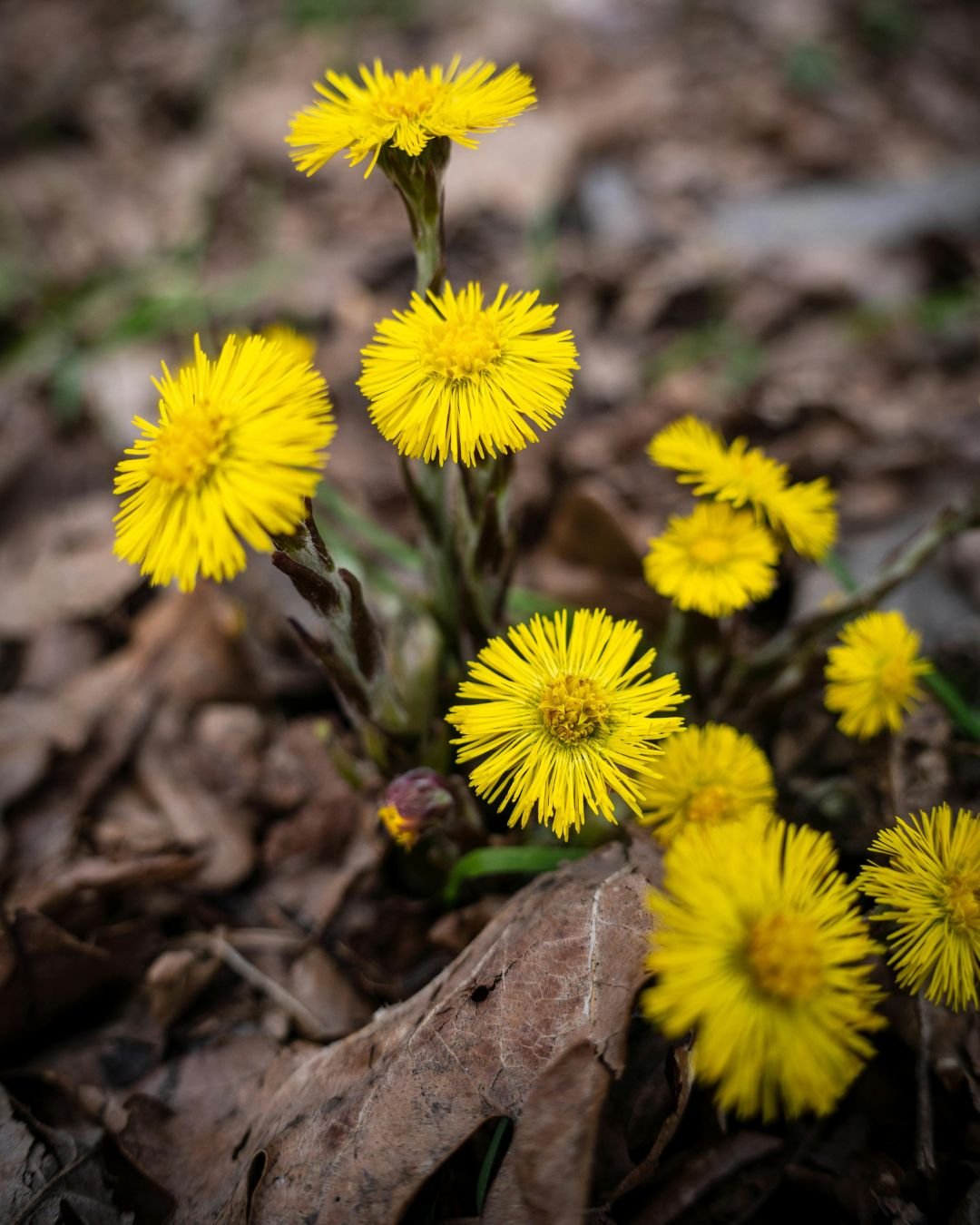
Coltsfoot: The Coastal 'Cough-Dispeller'
Found on our Kent beaches, these bright yellow flowers burst out of the sand long before the leaves even appear. It is a specialist "emergency cleaning crew" for shifting a lingering winter wheeze and shifting "muck" from the lungs.
The Science:Tussilago farfara contains mucilage and tannins, which create a soothing protective layer over irritated mucous membranes. It is a "demulcent expectorant," helping the tiny hairs in your lungs (cilia) move dust and debris up and out.
The History: Known as the "Miners' Herb," workers smoked the dried leaves to clear their lungs of coal dust. In Paris, a picture of the Coltsfoot flower used to be painted on the doors of apothecary shops to signal that the "Medicine of the Lungs" had arrived.
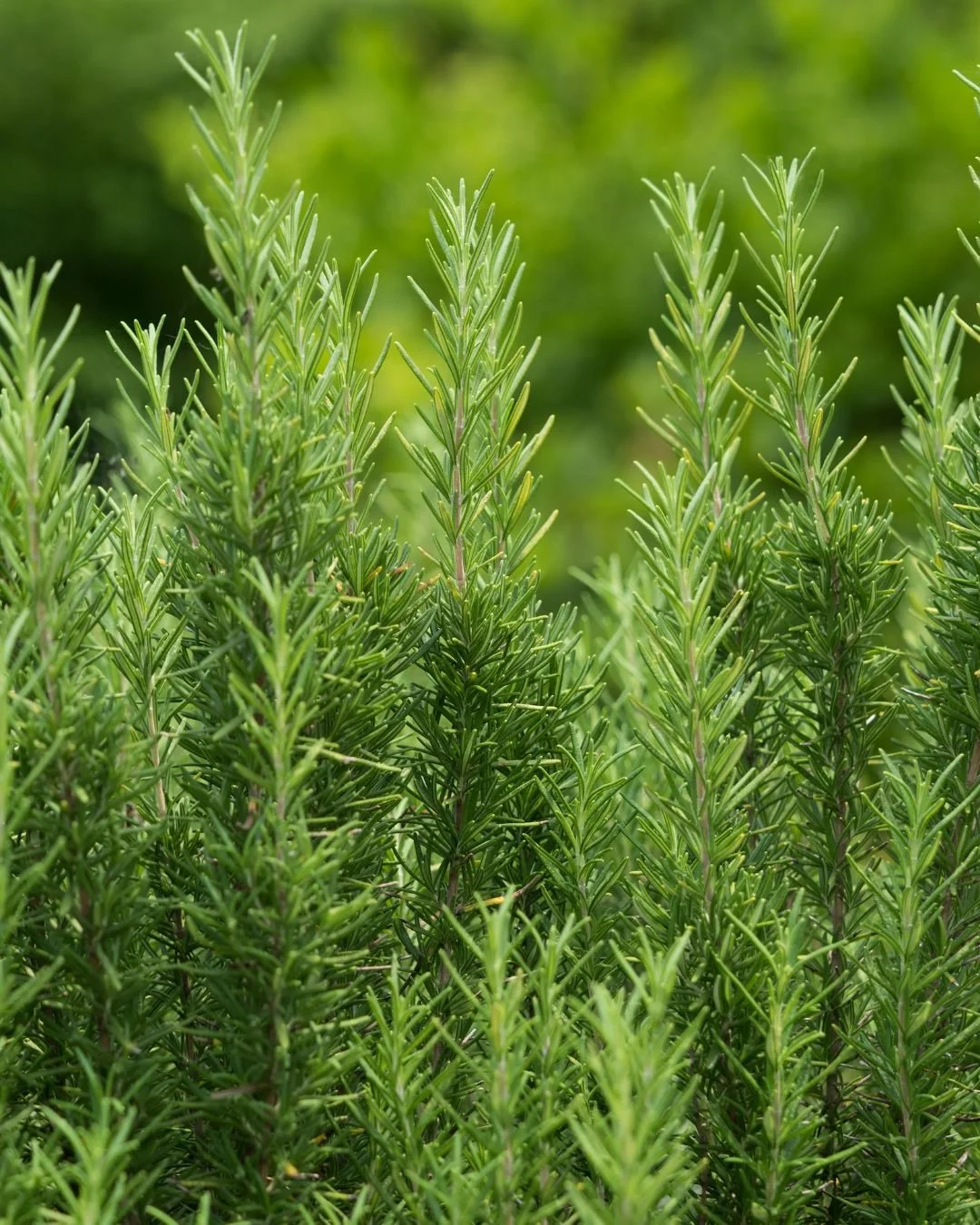
Rosemary: The 'Wake-Up Call' for the Mind
Whatever it is, the way you tell your story online can make all the difference.
If the winter has left your brain feeling like a dusty attic, Rosemary throws open the windows. It stimulates circulation specifically to the head, bringing fresh oxygen and nutrients to the brain to sharpen your focus and brighten your mood.
The Science: Rosemary contains volatile oils like cineole and camphor that improve peripheral circulation. By increasing blood flow to the cerebral cortex, it enhances cognitive function and alertness. It’s a "nervine stimulant" that literally wakes up the brain.
The History: Greek students wore Rosemary garlands in their hair to sharpen focus during exams. It is the "Herb of Remembrance," synonymous with memory for thousands of years and used at both weddings and funerals to ensure that what is important is never forgotten.
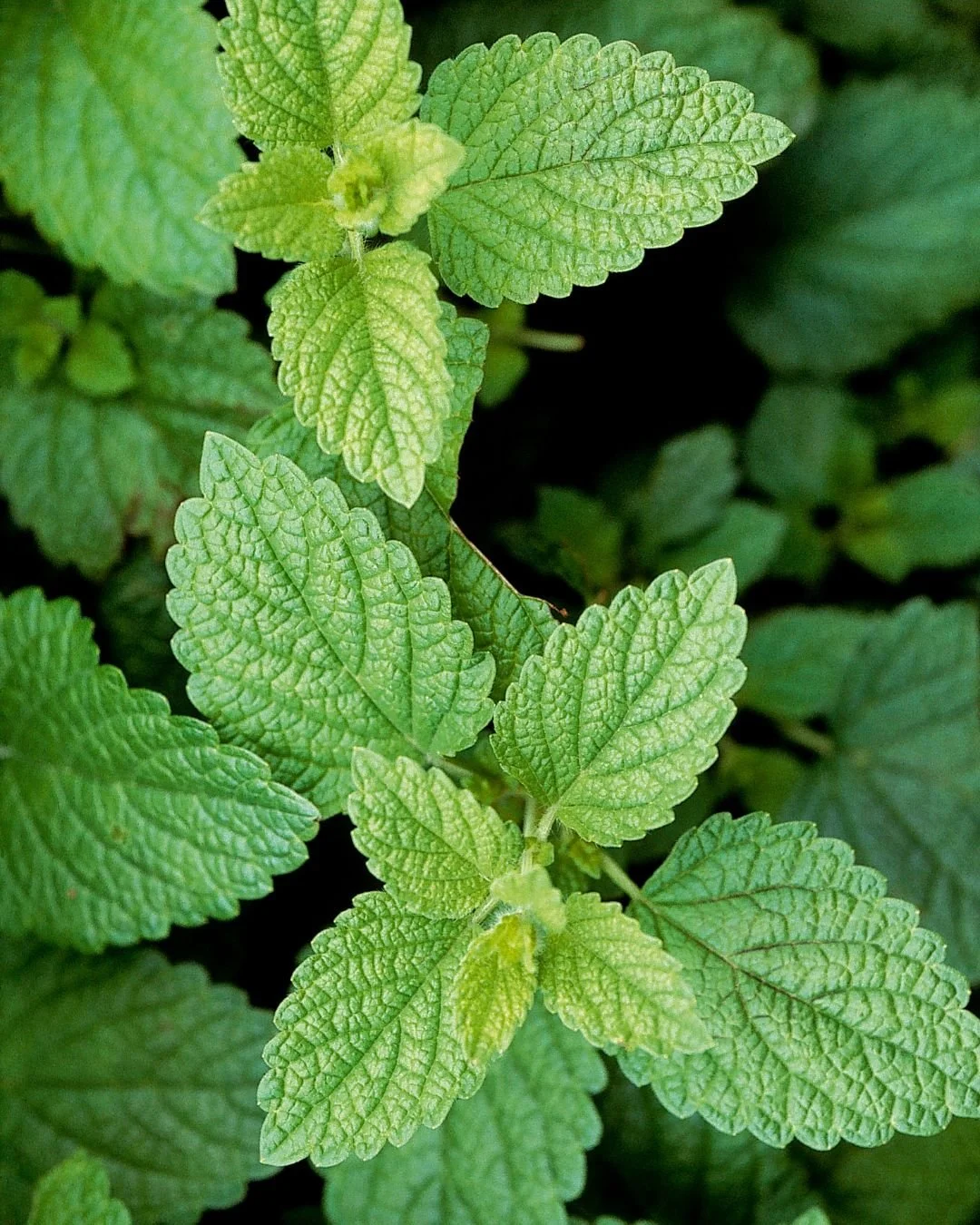
Lemon Balm: The Emotional Gladdener
Emotional blocks are just as "toxic" as physical ones. Stress and anxiety act like "clogs" that prevent us from thinking clearly. Lemon balm helps us shift the anxiety or "winter blues" that prevent us from thinking clearly, lifting the heart while soothing the nervous system.
The Science: Melissa officinalis is rich in rosmarinic acid, which inhibits the enzyme that breaks down GABA (our "calm" neurotransmitter). By keeping GABA levels higher, it allows the nervous system to switch from "fight or flight" into "rest and digest," allowing the body to detoxify emotionally.
The History: Dedicated to the Temple of Diana, it was traditionally called the "Gladdening Herb." The 17th-century herbalist Nicholas Culpeper wrote that it "causes the mind and heart to become merry." It is the ultimate antidote to the emotional stagnation of winter.
The Spring Maintenance Menu
So now we have a few ideas of what herbs are aligned with our body’s needs right now—how do we use them?
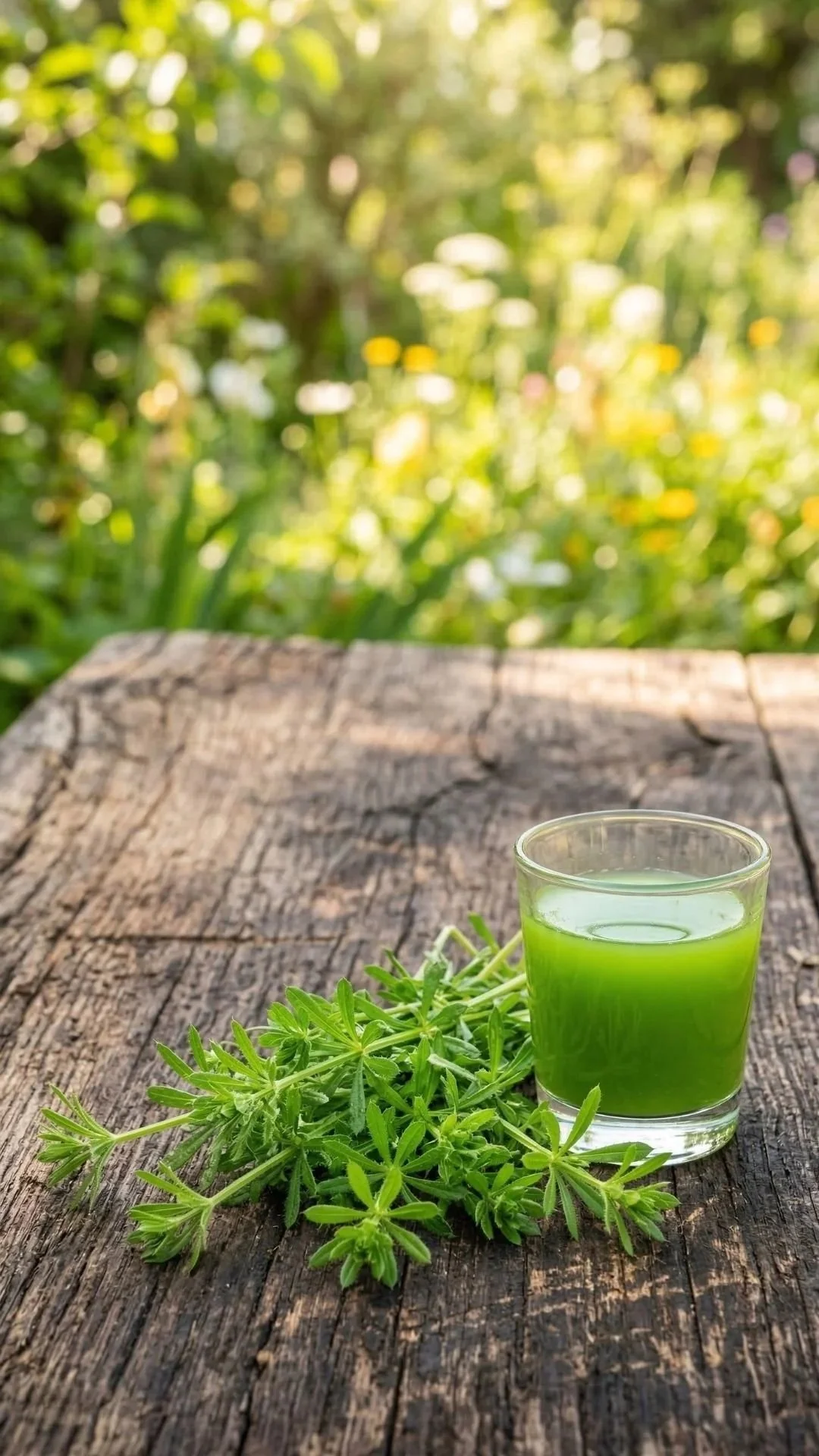
The 'Sticky Willy' Flush
The Juice
Harvest fresh Cleavers.
Push them through a juicer and take one tablespoon a day for a week.
The Cold Infusion
Bruise a handful of Cleavers and soak in cold water overnight.
Drink the "green life" in the morning to get your lymph moving and your skin hydrated.
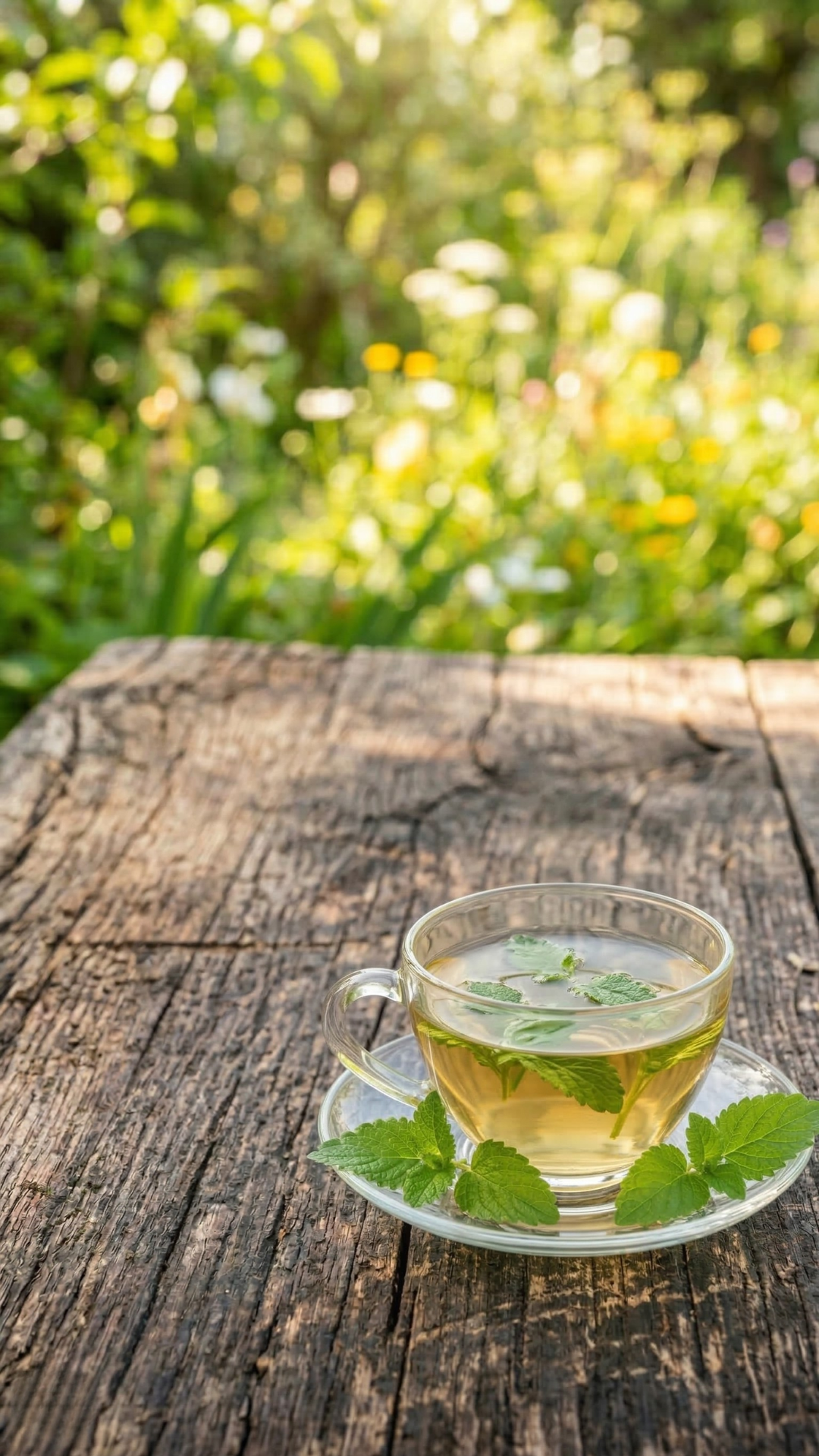
The 'Gladdening' Tea
Steep fresh Lemon Balm for 5 minutes.
Keep a lid on your cup to trap the volatile oils.
It’s an instant reset for your mood and your gut.
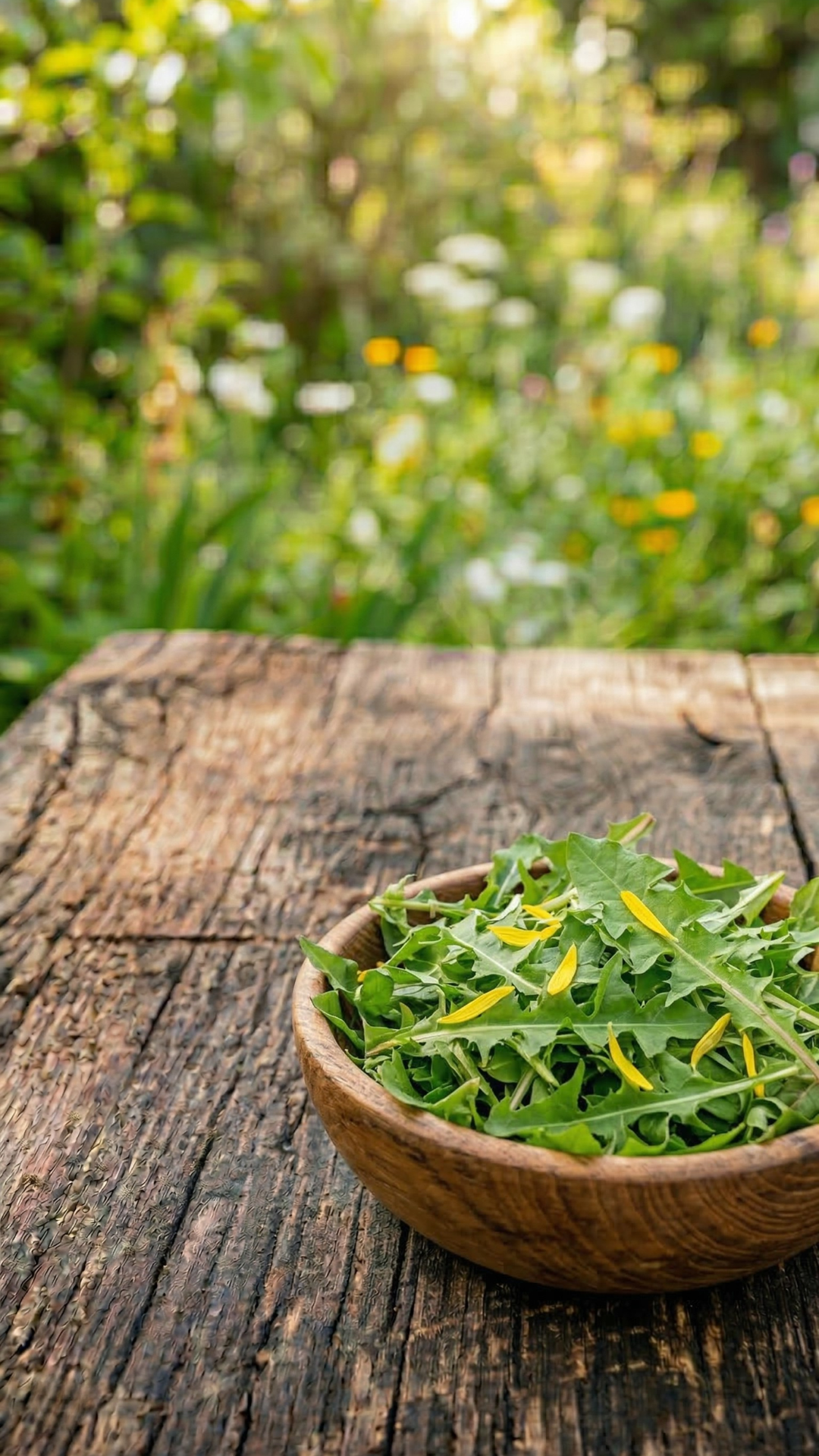
Dandelion 'Bitter-Bite' Salad
Method
Simply add 5-6 young, tender Dandelion leaves to your usual salad bowl.
The Tip
The bitterness is the point! It triggers the gallbladder to release bile, which is the body's natural way of emulsifying fats and scrubbing the intestinal walls.
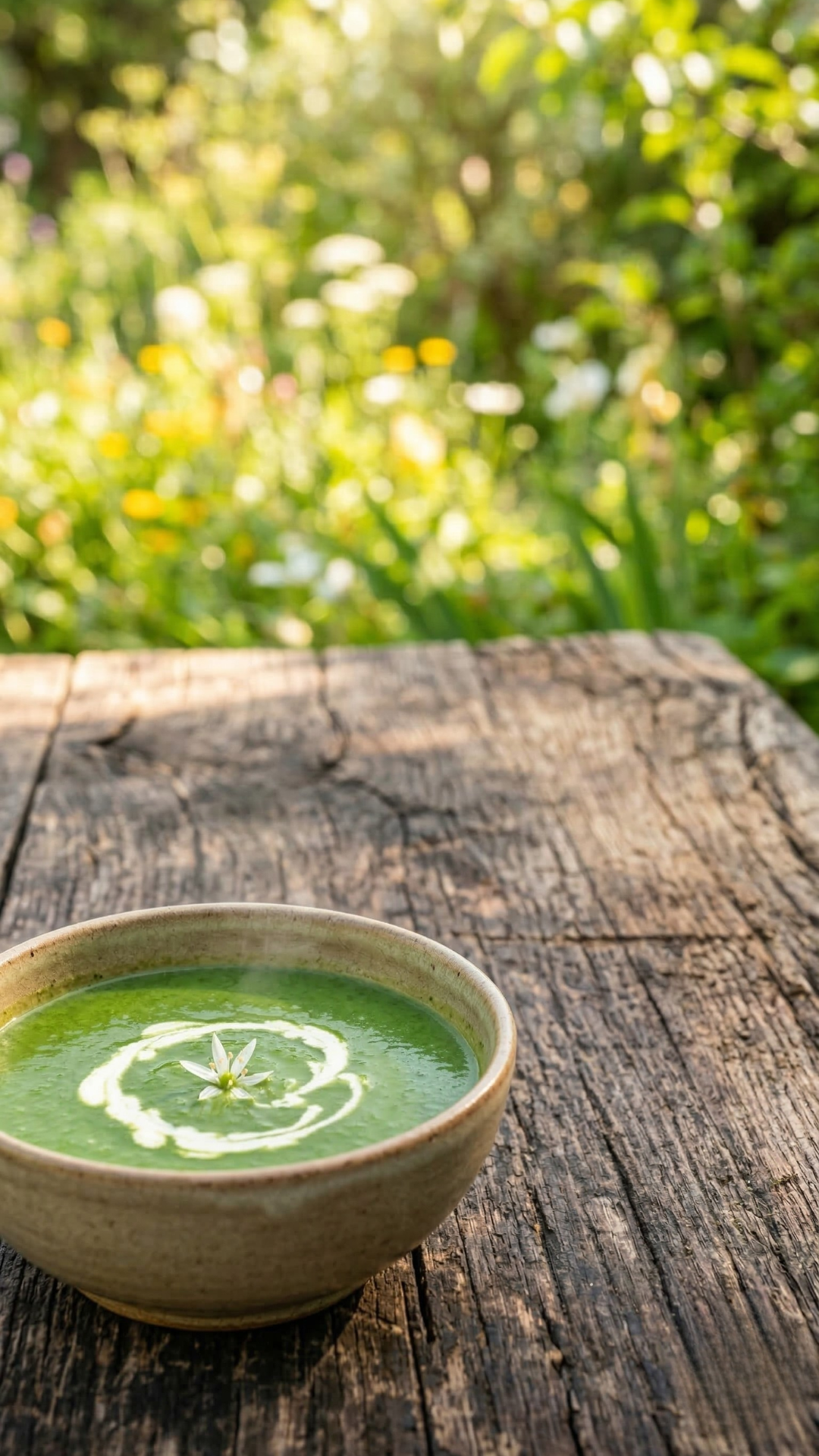
Spring Clean Soup (Nettle & Wild Garlic)
Ingredients
Young Nettle tops (use gloves!),
a handful of Wild Garlic (a natural antimicrobial "brush" for the gut),
1 Onion,
2 Potatoes,
vegetable stock.
Method
Sauté onion and potatoes.
Add stock and simmer.
Throw in the Nettles and Wild Garlic for the final 2 minutes.
Blend until smooth.
Sprinkle wild garlic flowers on top for an extra hit of mental clarity!
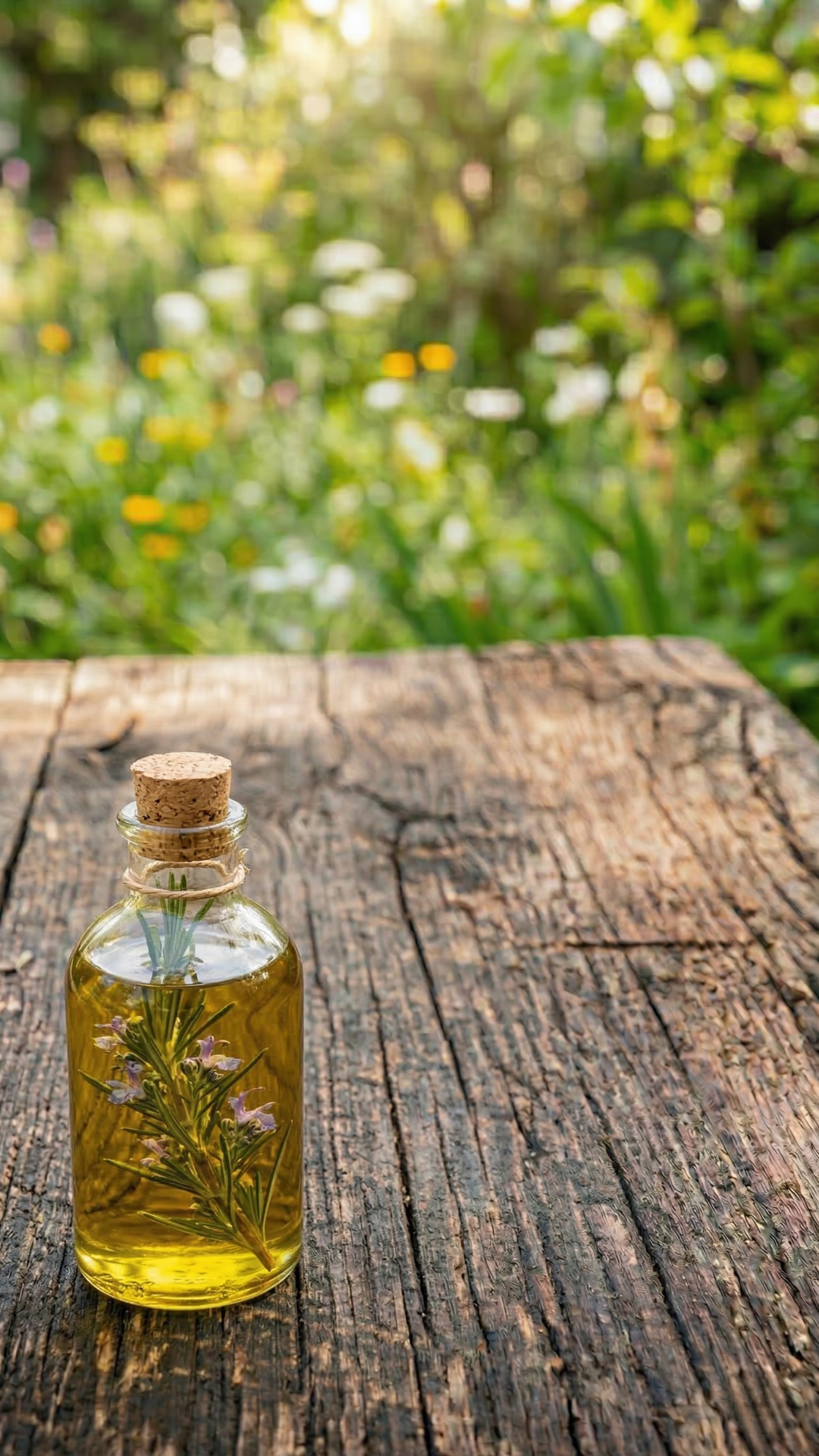
Rosemary 'Clear-Head' Salad Dressing
Method
Place a few sprigs of fresh Rosemary in a clean glass jar and cover with cold-pressed olive oil.
Let it sit for a week (or heat gently in a bain-marie for 2 hours for a quick version).
Use this to dress your Spring salads.
The Science
The fats in the oil help carry the rosemary’s volatile oils into your system, providing a steady "drip-feed" of circulatory support throughout the day.
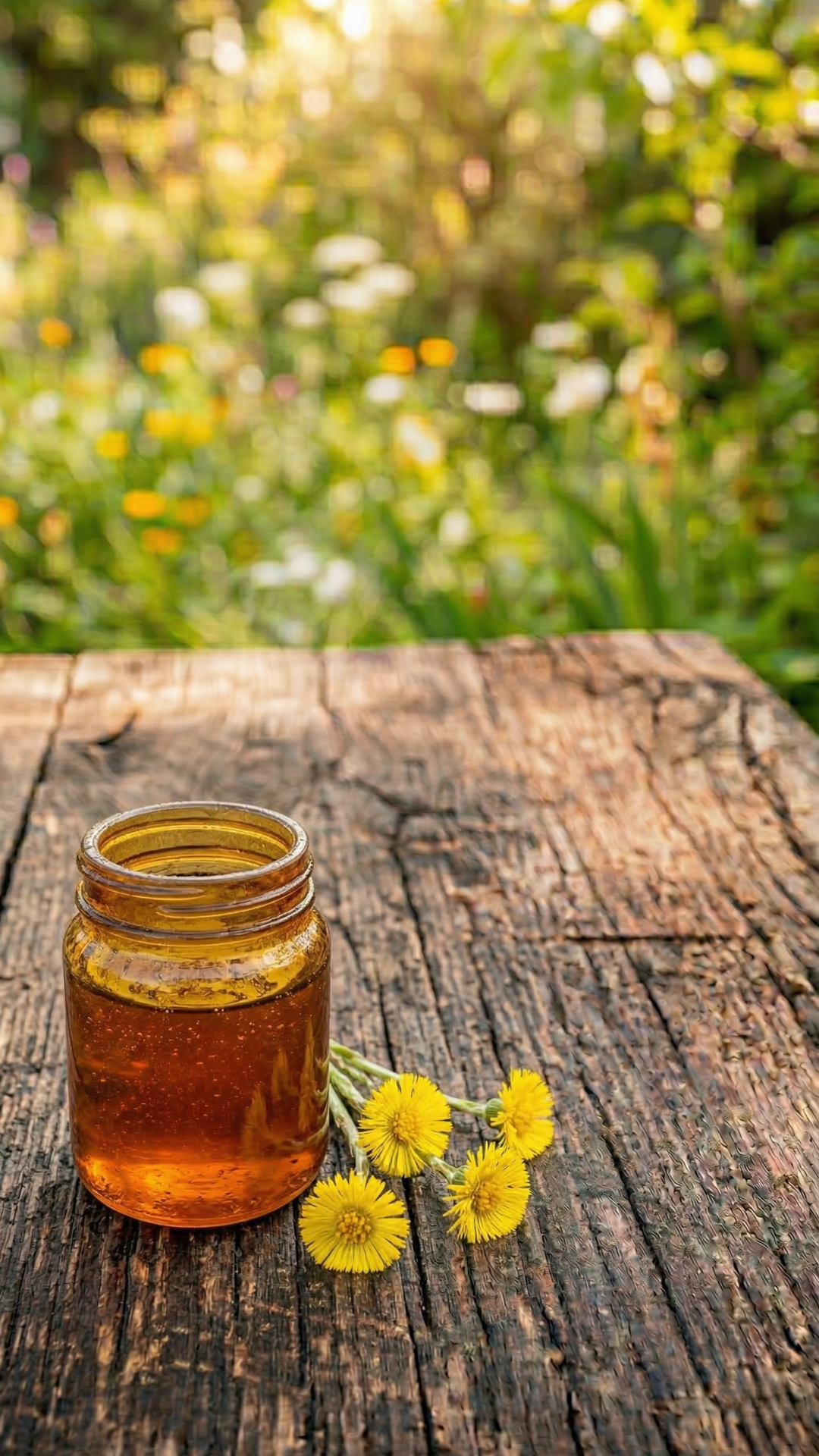
Coltsfoot 'Sunshine' Cough Syrup
Method
This is a traditional "mush" method. Layer fresh Coltsfoot flowers in a small jar with equal parts organic sugar.
Pack it down tight and leave it on a sunny windowsill for about a week.
The sugar will draw the mucilage out of the flowers and turn into a thick, dark syrup.
The Finish
Filter out the flower mush through a muslin cloth and store the liquid in a dark bottle.
A Note on Safety & Storage
Storage: Most fresh infusions (like the Cleaver water) should be drunk within 24 hours. The Nettle soup will last 3 days in the fridge. The Rosemary oil and Coltsfoot syrup should be kept in a cool, dark place and are best used within 3 months.
Safety: Always be 100% certain of your identification before picking. If in doubt, leave it out!
Specifics: As mentioned, Coltsfoot is for short-term use only (no more than 2 weeks at a time). If you are pregnant or on blood-thinning medication, always consult a practitioner before starting a new herbal regimen.
When a Spring Clean Becomes a Life-Shift
While these seasonal rituals are wonderful for general maintenance, sometimes the "clutter" in our bodies goes deeper than a bit of winter sluggishness. In my practice as a Medical Herbalist, I spend my days unpicking the chronic, complex health issues that have been building for years.
I have seen the power of these exact herbs—like the humble Nettle and the persistent Cleaver—do things that seem miraculous when used with clinical precision. I once worked with a client who was told they would never get out of a wheelchair again by her doctors due to a very severe, debilitating arthritis. Yet, through a dedicated protocol of deep detoxification and intensive nourishment, she did exactly that. And it only took a few weeks of the herbal regime to get her walking again. The herbs didn't just "clean up"; they helped her to reclaim her life!
If you feel you need more than a seasonal tidy-up and want to dive deep into your own specific health history, I offer 1-2-1 Medical Consultations. This is where we look at your body’s unique map and create a bespoke herbal path to bring you back into balance.
Take the Journey: The Herbalist’s Way

But perhaps you aren't looking for a clinical deep-dive; perhaps you simply want to learn how to be your own "body-whisperer."
If you’ve enjoyed this Spring Clean, imagine what happens when we spend seven sessions together exploring how your body actually works and how the plants in your own garden can keep you in balance.
In my upcoming course, The Herbalist’s Way, we move through the body systems one by one—the gut, the joints, the nervous system, and beyond. We don't just talk about the science; we get our hands messy making the recipes together. It is about learning the language of your health so that you can thrive with the seasons, rather than just surviving them.