The Plastic Within Us: Cutting Through the Hype to Truly Detox Your Body and Home
The conversation around "plastic detoxing" is everywhere right now. If you’ve scrolled through social media lately, you’ve likely seen some version of this shocking headline:
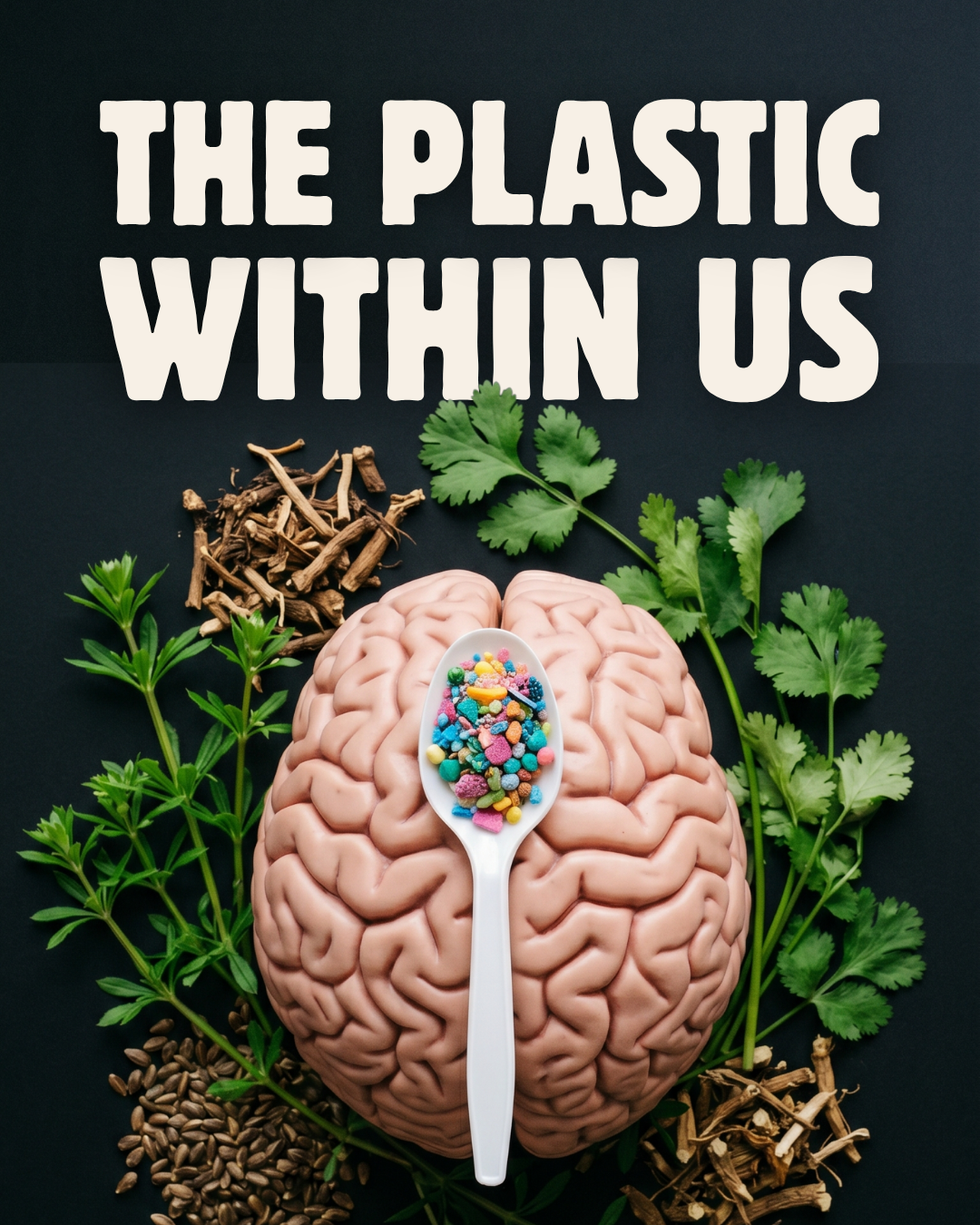
"There is enough plastic in the human brain to make a plastic spoon."
It sounds like classic internet clickbait, doesn’t it? But as someone who looks at health through both a scientific and a natural lens, I wanted to know the truth. I dug into the actual data—and the reality is just as startling as the headlines, though perhaps not in the way you’d expect.
Fact-Checking the "Brain Spoon"
The headline stems from a major research report published in Nature Medicine. Scientists analysed human tissue and found that our brains are absorbing micro- and nanoplastics at an alarming rate, showing a deeply concerning upward trajectory of 50% between 2016 and 2024.
So, what about the spoon?
The study found that the physical weight of microscopic plastic shards accumulating in certain brain tissues averaged about 7 grams. A standard single-use plastic takeout spoon weighs exactly about 7 grams.
So while you do not have a literal, solid spoon floating in your head, the total mass of those invisible, microscopic plastic particles scattered through the tissue weighs just as much as one.
Because plastics are fat-loving, they easily hijack the pathways of the healthy fats we eat. They cross the blood-brain barrier and lodge themselves in our most lipid-rich organ: the brain.
How Plastics Affect the Human Body: The Proven Medical Risks
While the "spoon in the brain" is a vivid visual, the actual medical consequences of this systemic plastic saturation are far more serious. Medical literature has proven that microplastics and their associated chemical payloads wreak havoc on several core biological systems:
1. Severe Endocrine & Thyroid Disruption
Plastics are deeply tied to endocrine disruption. The chemical additives used to make plastics flexible or stable—like Phthalates and Bisphenol-A (BPA)—are not covalently bound to the plastic matrix, meaning they leach easily into our blood and tissues.
Because these chemicals share structural similarities with our natural hormones, they bind to and block hormone receptors. This directly disrupts the hypothalamic-pituitary-thyroid axis, leading to altered thyroid hormone production, metabolic sluggishness, and systemic hormonal chaos.
2. Fertility Crisis and Reproductive Health
The reproductive system is one of the primary targets of plastic toxicity. Epidemiological evidence shows a direct link between high exposure to plastic-associated chemicals and a drop in human fertility.
Women: It is consistently associated with an increased risk of polycystic ovary syndrome (PCOS), diminished ovarian reserve, and lower embryo quality in assisted reproduction.
Men: It causes a measurable reduction in sperm count, poor sperm motility, and structural abnormalities.
Pregnancy: Microplastics have been found directly inside the human placenta, interfering with early-life development windows.
3. Neurological Decline & Dementia Pathways
Once microplastics breach the blood-brain barrier, they trigger chronic neuroinflammation by activating microglia (the brain's resident immune cells). This continuous activation generates excessive reactive oxygen species (ROS), causing oxidative stress that damages neurons.
Furthermore, recent reviews indicate that microplastic accumulation in the brain impairs the natural clearing mechanisms of the central nervous system. In tissue studies, individuals with dementia showed up to 10 times more microplastic particles in their brain tissue than those without, promoting the kind of protein aggregation that forms the foundational pathology of cognitive decline, Alzheimer's, and dementia pathways.
4. The Gut Connection: Bottled Water and Colon Cancer
Perhaps the most alarming shift in modern oncology is the spike in early-onset colorectal cancers in adults under 50. Landmark gastroenterology studies have recently revealed that microplastic levels are 3.4 times higher in colon cancer tumours than in normal, healthy colon tissue.
How are they getting there? A major culprit is single-use plastic water bottles. People who regularly drink bottled water ingest an estimated 90,000 additional plastic particles per year compared to those who drink filtered tap water.
When you drink from plastic, the mechanical breakdown and room-temperature leaching release hundreds of thousands of nanoplastics into the liquid. Once swallowed, these particles physically tear and disrupt the protective mucus layer lining our intestines, altering our gut bacteria and triggering chronic, low-grade inflammation that acts as a direct accomplice to cellular mutation and colon cancer. (To understand the deeper intelligence of this environment and how it regulates our vitality, you can read our deep dive, From "Gut Feeling" to Gut Science: Why Your Microbiome is the Master Conductor.)

The Hidden Plastic Pollution in Your Wardrobe
When we think of ocean plastic, we picture water bottles and carrier bags. But a massive, invisible culprit is sitting right in our laundry baskets.
Roughly 35% of all microplastics in marine environments come from laundering synthetic clothing. Every single time a load of synthetic laundry spins, friction causes the fabric to shed hundreds of thousands of tiny plastic threads called microfibres, which are too small for water treatment plants to filter out.
The primary textiles responsible for this are:
Polyester: The single biggest culprit (especially woven polyester fleece, which sheds millions of fibres per wash).
Nylon: Frequently used in swimwear, outerwear, and hosiery.
Acrylic: Often used to make cheap, soft knitwear and fake wool.
Spandex / Lycra / Elastane: What gives your gym leggings and stretchy clothes their flexibility.
What you can do:
Shift your wardrobe toward 100% natural, biodegradable fibres like organic cotton, linen, hemp, wool, and silk.
When you do wash your existing synthetics, wash them at lower temperatures (30°C or lower)
Use liquid detergent instead of abrasive powders
Consider using a microfibre-catching wash bag (like a Guppyfriend) to capture the threads before they hit the drain.
Why Synthetic Fragrance is Secretly "Liquid Plastic"
If you absolutely hate conventional perfumes and deodorants, your intuition is spot on. Synthetic fragrance is one of the primary ways we willingly apply plastic-associated chemicals directly onto our skin and inhale them into our lungs.
Under the single word "Fragrance" or "Parfum" on a label, manufacturers can legally hide a cocktail of thousands of undisclosed chemicals. Two major components of synthetic scents are directly tied to the plastic industry:
Phthalates: These are industrial plasticisers. In manufacturing, they are used to make PVC plastics soft and flexible. In perfumes and deodorants, they are used as solvents and fixatives to make the synthetic smell stick to your skin and last longer. They are notorious endocrine (hormone) disruptors.
Styrene: This is the exact organic compound used to manufacture polystyrene (Styrofoam). It is also frequently used as a base molecule to build synthetic aroma chemicals in commercial perfumes, and it is classified as a potential human carcinogen.
What you can do:
Switching to truly clean, aluminium-free, and botanically-scented deodorants or organic essential oil rollers allows you to enjoy real plant medicine without the synthetic plastic load.
5 Herbs to Help Your Body Cleanse and Protect
While we must focus on detoxing our environments by swapping out plastic toothpastes (which often contain plastic polymers), single-use bottles, synthetic clothes, and chemical fragrances, we can also support our body's natural elimination pathways.
Here are five exceptional herbs to welcome into your daily routine to help protect and cleanse your system:
1. Coriander (Coriandrum sativum)
While coriander hasn't been shown to break down the plastic particles themselves, it acts as our premier shield against the hidden dangers those plastics pose. Microplastics act like microscopic magnets for toxic heavy metals (like lead and cadmium) in our environment. Coriander is well documented for its heavy-metal chelation and phytoremediation properties, helping our bodies capture, bind, and safely excrete the toxic heavy-metal payloads that plastics leach into our systems (Garrett, 2018; Mi et al., 2022).
How to take it: Eat it fresh and raw. Chop a generous handful into salads, blend it into morning green smoothies, or stir it into warm dishes right before serving so you don't cook off its beneficial volatile oils.
2. Milk Thistle (Silybum marianum)
The ultimate liver protector. Its active compound complex, silymarin, stabilises cellular membranes, preventing toxins from entering liver cells, while actively stimulating protein synthesis to help regenerate liver tissue. (You can read more about how your liver interacts with clinical therapies in our discussion on What Happens When You Consult a Medical Herbalist?.)
How to take it: Silymarin isn’t highly water-soluble, so a standard tea won't cut it. It is best taken as a standardised herbal tincture (extract) or by grinding the whole seeds and adding them to porridge or breakfast bowls.
3. Dandelion Root (Taraxacum officinale)
A classic bitter hepatic (liver-supportive) herb. Dandelion root stimulates bile production and flow, which is the exact pathway the liver uses to bind fat-soluble toxins (like plastic chemicals) and carry them out of the body via the digestive tract.
How to take it: Enjoy roasted dandelion root as a rich, earthy, caffeine-free coffee alternative, or simmer the raw dried root in water for 20 minutes to make a strong decoction (tea).
4. Green Tea (Camellia sinensis)
Rich in epigallocatechin gallate (EGCG), a powerhouse antioxidant. Studies show that the polyphenols in green tea significantly boost the body's production of antioxidant enzymes, helping to combat the cellular oxidative stress and inflammation caused by microplastic particles lodged in tissue.
How to take it: Infuse loose green tea leaves in hot (but not boiling) water for 2 to 3 minutes. Drink 2–3 cups throughout the morning.
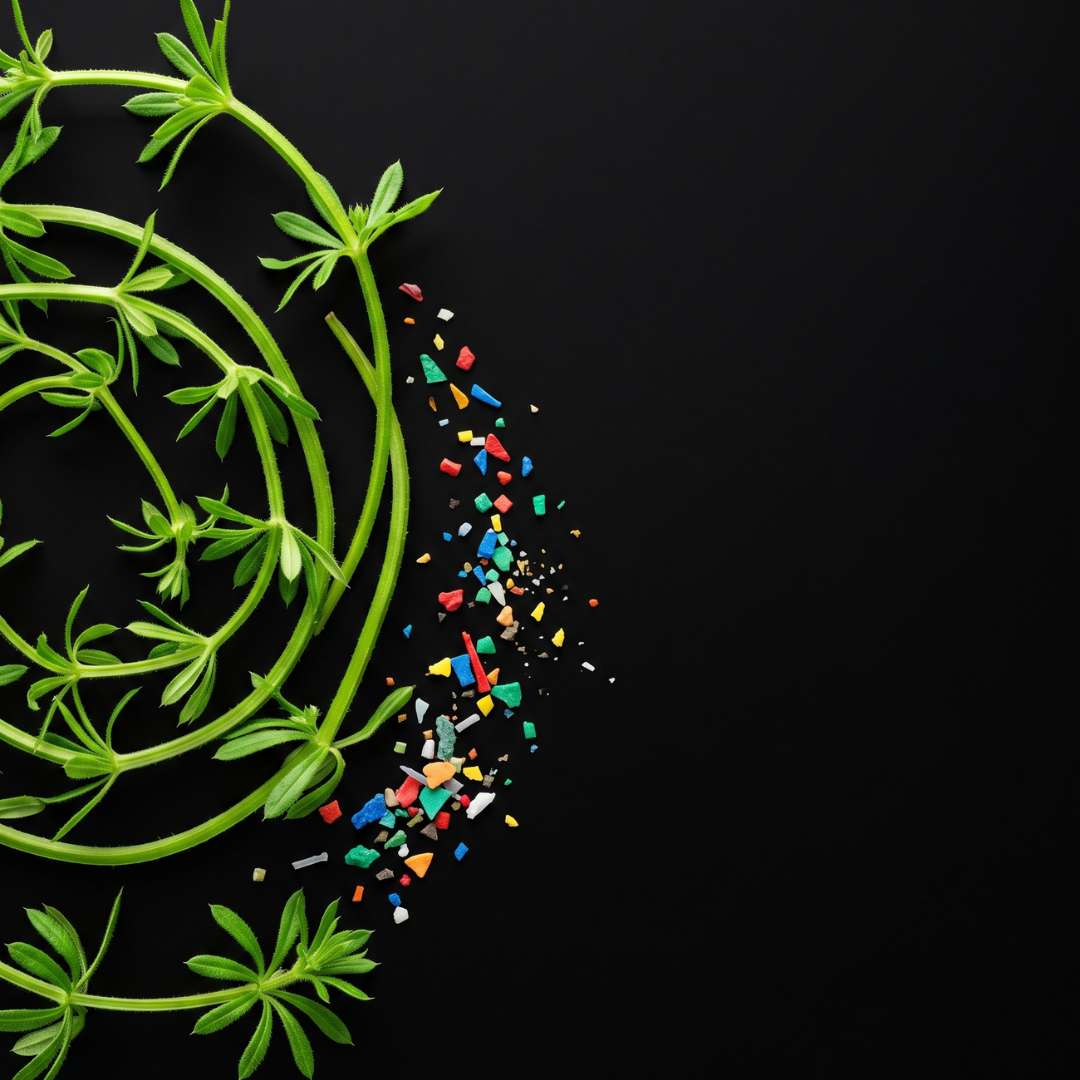
5. Cleavers (Galium aparine)
The ultimate lymphatic tonic. While the liver processes toxins, the lymphatic system is the plumbing network that clears cellular waste from our tissues. Cleavers acts as a gentle stimulant to the lymph nodes, helping to ease congestion and move fluid through the body.
How to take it: Best enjoyed as a fresh cold infusion. Submerge a handful of clean, fresh spring cleavers in cold water overnight, strain, and drink the vibrant green water the next morning.
By making small, conscious switches in what we wear, what we drink from, and how we support our bodies, we can dramatically reduce our daily plastic burden and help our systems stay clean from the inside out.
Share Your Thoughts
What is one plastic item or synthetic fragrance you are ready to swap out of your home this week?
Let me know in the comments below!
Suggested Further Reading
References
Bhattacharyya, S. (2025). Impact of micro- and nanoplastics exposure on human health: focus on neurological effects from ingestion. Frontiers in Public Health, 13, Article 1681776.
Bossio, S. (2025). Endocrine toxicity of micro- and nanoplastics, and advances in detection techniques for human tissues: A comprehensive review. International Journal of Environmental Research and Public Health, 6(2), 23.
Edet, P. P. (2026). Harmful effects of microplastics and nanoplastics in human body systems: A systematic review. Toxics, 14(3), 88.
Garrett, S. D. (2018). The phytoremediative effects of cilantro (Coriandrum sativum) in lead-contaminated soil. [Doctoral dissertation, University of Tennessee at Chattanooga]. CORE.
Ibrahim, Y. S., et al. (2025). Microplastics and the Rising Tide of Early‐Onset Colorectal Cancer: Exploring the Environmental Gut Connection. Journal of Gastroenterology and Oncology, 16(17), 3079.
Liu, G. (2026). Microplastic exposure and human health risks across the life cycle: a focus on reproduction, development, and ageing. Frontiers in Cell and Developmental Biology, 14, Article 1778576.
Mi, N., et al. (2022). Effects of amendments and indigenous microorganisms on the growth and Cd and Pb uptake of coriander (Coriandrum sativum L.) in heavy metal-contaminated soils. Toxics, 10(8), 408.
Qin, J. (2025). Orally Ingested Micro- and Nano-Plastics: A Hidden Driver of Inflammatory Bowel Disease and Colorectal Cancer. MDPI Cancers, 16(17), 3079.
Ullah, S., et al. (2023). A review of the endocrine-disrupting effects of micro- and nano-plastics and their associated chemicals in mammals. Frontiers in Endocrinology, 13, Article 1084236.